Brent crude futures climbed above US$114 a barrel on Friday, reaching their highest level since May as new attacks on Saudi energy targets and stalled US-Iran diplomacy revived concern about Gulf supply. The jump adds another cost risk for households, transport companies and energy-intensive businesses.
Brent was at US$114.47, up 1.2%, at 06:39 GMT, according to a Friday Reuters report. Reuters said the benchmark had settled at its highest since May 4 the day before and was on course for a third consecutive weekly gain. The price is a time-stamped futures snapshot, not a live quote.
The move follows a fresh escalation in the region. Oil traders are weighing the risk of disruption against the possibility that diplomacy could restore safer shipping and more predictable exports. For Asian importers, even a lasting risk premium can affect fuel, freight and industrial costs.
Saudi Attacks Renew Supply Concerns
Reuters reported that Houthi attacks in Saudi Arabia heightened concern about further disruption to regional energy supplies. It also reported that Saudi Aramco ordered the evacuation of its headquarters in Dhahran on Thursday as fighting intensified. The report described a new security development, not a confirmed shutdown of Saudi production or exports.
The distinction matters. A security threat can lift prices before physical flows change, because traders price the chance that cargoes, infrastructure or shipping routes may be affected. A sustained loss of supply would have a different effect from a short-lived escalation followed by restored operations.
Earlier on Friday, the Associated Press reported Brent at US$114.92, up 1.6%, in its market snapshot. AP also linked the rise to halting efforts to bring the United States and Iran back to negotiations. The two reports capture different points in a moving session, so their prices should not be read as conflicting closing figures.
Higher Crude Reaches Beyond Energy Shares
Oil’s advance can feed through to more than petrol. Airlines, shipping firms, logistics operators and manufacturers all face exposure to fuel or transport costs. If crude stays high, businesses may absorb some of the increase, pass it on to customers, or adjust spending. The timing and size of any pass-through vary by company and market.
US consumers were already paying more at the pump. AP cited the American Automobile Association’s national average of US$4.29 a gallon for regular petrol on Friday, compared with US$3.07 a year earlier. That comparison reflects many drivers of retail prices, not crude alone. In Malaysia and elsewhere in Asia, Brent is one input into energy and freight costs; local currency movements, refining margins, taxes and fuel policy also shape what households pay.
Equity markets showed the strain in the same session. AP said S&P 500 futures fell 0.3% and Dow futures slipped 0.6% before the US market opened. Investors were also assessing technology valuations and the cost of artificial-intelligence investment, so the oil move was one pressure among several rather than the sole explanation for futures trading.
Supply Risks Still Face a Counterweight
Oil prices can retreat if shipping continues, infrastructure stays operational and negotiations make progress. The US Energy Information Administration’s October outlook said attacks on regional oil infrastructure and tankers had pushed September’s average Brent spot price to US$114 a barrel. That official estimate shows how deeply the conflict has affected prices, while a monthly average cannot predict the next daily move.
Recent BullBuzz coverage has tracked Asian equities under pressure as Brent passed US$110 and a cargo-ship sinking near the Strait of Hormuz. Friday’s price rise is a further development in the same regional risk, with new Saudi-related security concerns and a higher benchmark level.
What Traders Should Watch Next
The next signals are whether Saudi energy operations continue normally, whether attacks spread or ease, and whether US-Iran contacts resume with concrete terms. Shipping updates matter because safer passage can reduce the risk premium even before supply volumes rise. Official production or export data would be stronger evidence of a physical disruption than market prices alone.
Traders can also compare weekly settlements with intraday highs and monitor refined-product prices, which show how crude moves are reaching end users. A further climb would increase inflation concerns and test corporate margins; a pullback would need more than a brief diplomatic headline to establish that supply risks have faded.
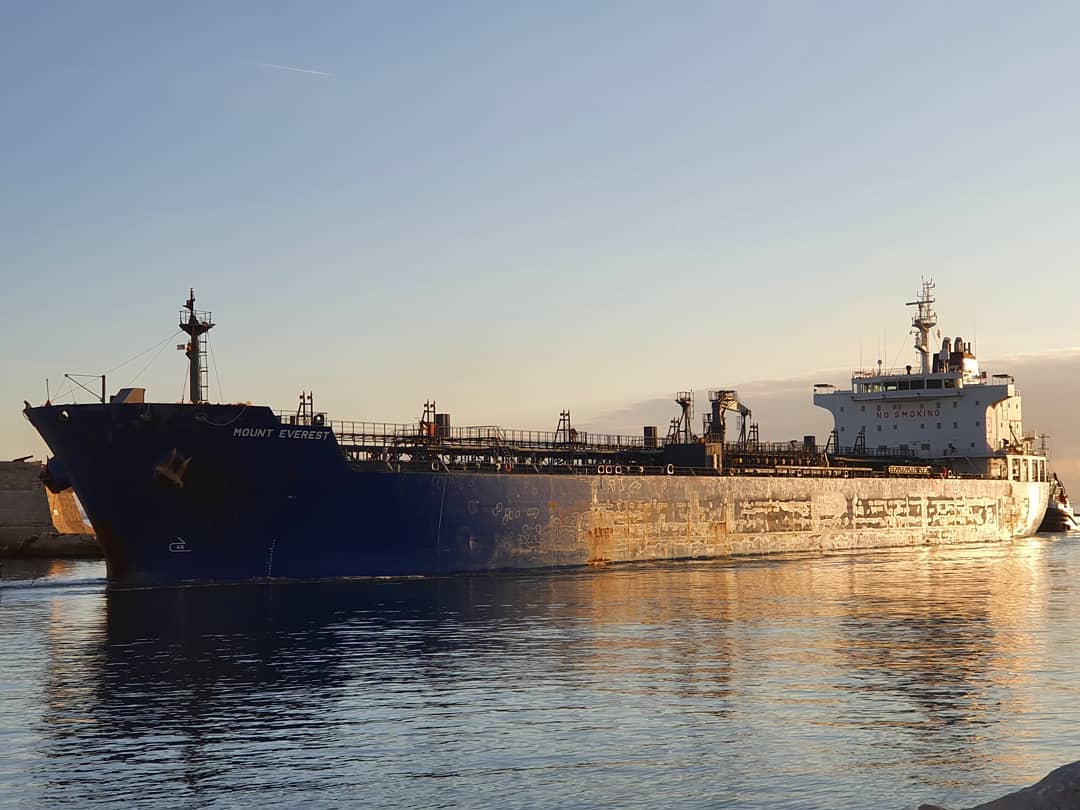
The photograph shows an oil tanker and is illustrative; it does not depict the reported Saudi attacks or a vessel involved in them.