China has imported more than 1,000 tonnes of gold in the first eight months of 2026, already more than in the whole of 2025, while its central bank extended its gold-buying streak to a 24th consecutive month, purchasing even as prices fell.
Chinese customs data show gold imports topped 1,000 tonnes between January and August, worth about $158.8 billion, FXStreet reported. That already exceeded the 886 tonnes imported in all of 2025. The buying comes as China's broader economy cools: retail sales rose just 0.4% in October, and factory output missed forecasts.
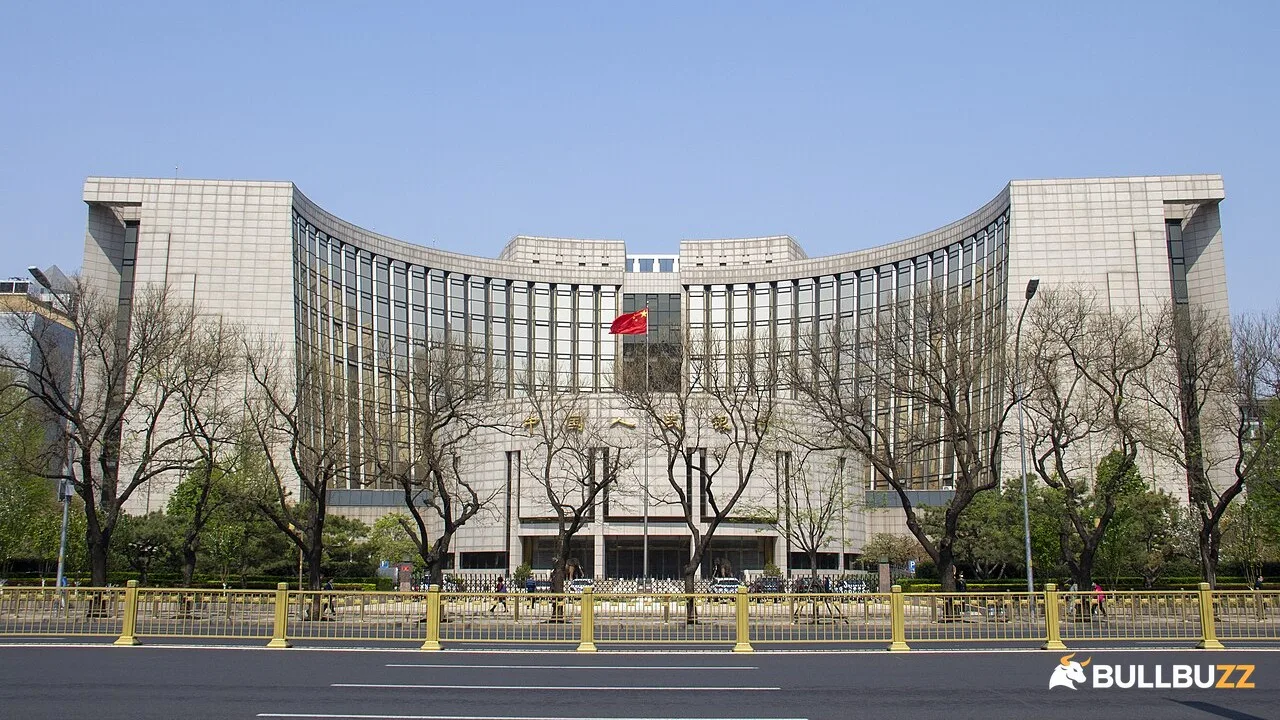
The bigger development is inside the central bank. The People's Bank of China (PBoC) added 830,000 troy ounces of gold to its reserves in October, about 25.8 tonnes, taking its reported holdings to 78.30 million ounces, or roughly 2,435 tonnes. It was the 24th consecutive month of purchases since the bank resumed buying in November 2024, and the largest monthly addition of the streak, up from 740,000 ounces in September, Bloomberg reported.
China gold buying spreads from the central bank to households
The central bank is not the only buyer. Chinese households are increasingly turning to gold as confidence in traditional stores of wealth weakens. The prolonged property downturn has dented housing as a store of value, local equities weakened during the third quarter, and government bond yields remain low.
According to the China Gold Association, purchases of gold bars and coins rose 28.4% in the first half of 2026 compared with a year earlier, while demand for gold jewellery fell by almost 34%. The split matters: the increase is being driven by investment demand, not by consumers buying more jewellery.
Chinese gold exchange-traded funds took in about 11 tonnes in September, lifting their holdings to a record 304 tonnes, the World Gold Council reported. Across the first ten months of 2026, the PBoC's own purchases reached about 129 tonnes, against 27 tonnes in the whole of 2025, according to reports based on the official data.
PBoC gold reserves are about diversification, not a bet on price
October's buying is striking because it came in a falling market. Gold dropped almost 7% during the month, so the value of China's gold holdings fell to $306.41 billion from $323.52 billion in September, even as the quantity held rose. The PBoC bought more metal while it was getting cheaper.
That pattern points to a longer-term strategy rather than short-term price timing. For decades, the US dollar has dominated central-bank reserves, but the freezing of Russia's central bank assets by Western governments in 2022 showed governments that foreign-held assets can be restricted by sanctions. Gold held inside a country's own borders carries no such counterparty risk.
China has also been trimming its exposure to US government debt. Its reported holdings of US Treasury securities fell to $590.7 billion in August, the lowest level in 18 years, according to US Treasury data. Gold made up about 7.9% of China's official reserve assets at the end of October. The shift is gradual rather than abrupt: China's total foreign exchange reserves still stood at about $3.405 trillion.
Hong Kong is building the infrastructure to match. Its central gold clearing and settlement system began trial operations in July 2026, with a launch planned for the first quarter of 2027, while the Hong Kong Stock Exchange prepares yuan-denominated gold futures.
Central banks bought 321 tonnes in the third quarter
China is part of a much broader official-sector shift. Central banks and other official institutions added a net 321 tonnes to their reserves in the third quarter, up 42% on a year earlier and the biggest quarterly total since the fourth quarter of 2024, the World Gold Council reported. China and Poland accounted for about 86% of officially reported purchases.
The demand has not stopped gold from falling. Gold hit a one-year low near $3,830 an ounce on Monday as markets priced in a December US rate hike and the dollar held near 19-month highs, before steadying near $3,879 on Tuesday. Silver has had a rougher ride, crashing below $50 as its demand outlook slumped.
Central-bank buying does not guarantee higher prices. Higher US yields and a stronger dollar can still push gold lower, and the PBoC has given no target for its holdings. But the steady accumulation through a price slide suggests Beijing views gold as structural protection for its reserves rather than a trade. The next test comes in early December, when November reserve data will show whether the streak reaches 25 months and whether buying stays near October's pace.