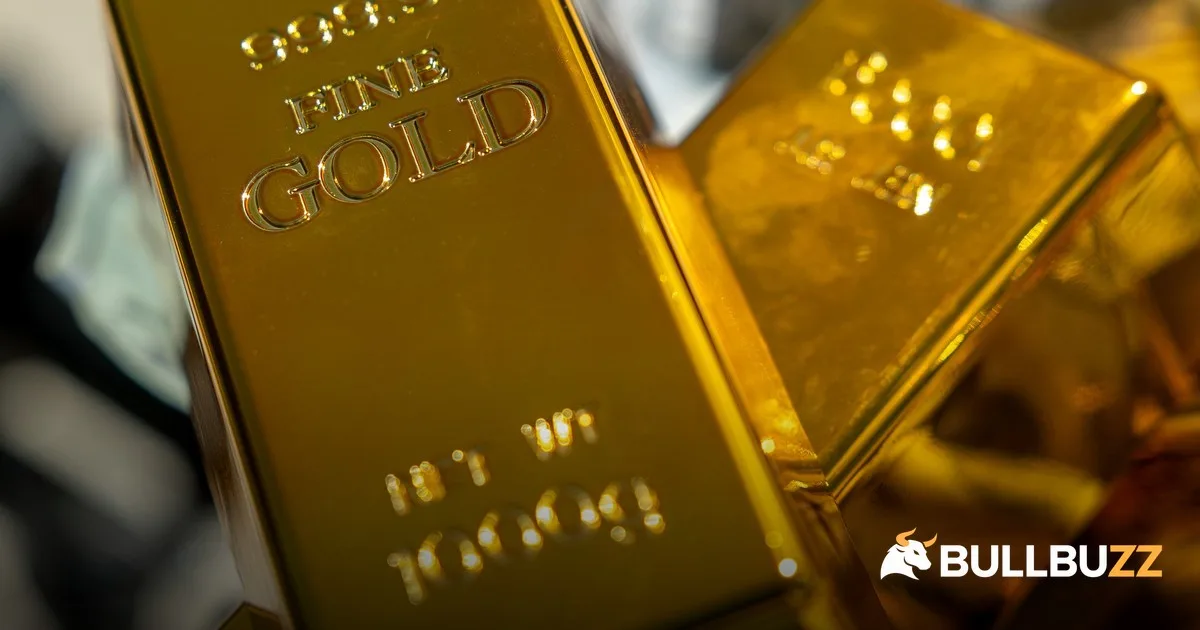
Gold held close to $4,100 an ounce in early Asian trading on Thursday, according to ET Now, after Federal Reserve minutes revived the prospect of another rate increase before year-end. China continued to add to its official bullion reserves, providing a longer-term demand counterweight.
Spot gold was quoted near $4,109.18 an ounce at 6:05 a.m. India time after touching a near two-month low in the previous session, ET Now reported. The report pointed to a firmer U.S. dollar and Treasury yields as near-term pressure on bullion.
The rate narrative has turned quickly. BullBuzz tracked a Monday rebound as yields cooled and October hike odds faded, then a Tuesday pullback as a hot U.S. services prices reading kept yields firm. Thursday’s focus is the Fed’s own assessment of inflation and the path for policy.
Fed Minutes Put Another Hike in View
The minutes from the September 15–16 meeting, released on Wednesday, show that all participants supported a quarter-point increase that lifted the federal funds target range to 3.75%–4.00%. Most participants also judged that another increase would likely be appropriate by year-end, according to the Federal Reserve minutes.
The minutes also described inflation as still elevated, with energy costs, geopolitical shocks and persistent services inflation among the concerns. Several participants said upside inflation risks had increased, reinforcing the case for caution on easing. The release is a snapshot of views at the September meeting, not a forecast of what officials will decide next.
That view is not a promise of another move. Participants said future decisions would depend on incoming data and its implications for the outlook and balance of risks. The distinction matters for gold: a possible hike raises the opportunity cost of holding an asset that pays no interest, but softer inflation or employment data could change rate expectations again.
Higher Yields Keep Gold Under Pressure
Gold’s immediate test is whether the dollar and bond yields keep rising after the minutes. Higher yields can make cash and government debt more attractive relative to bullion, while a stronger dollar makes dollar-priced gold costlier for buyers using other currencies. ET Now cited both forces in its Thursday market update.
The move also reverses part of the early-week recovery. Gold had climbed above $4,150 as yields eased, before the services-sector price measure renewed inflation concerns. That sequence is covered in BullBuzz’s report on the earlier rebound and update on the ISM prices index.
China Keeps Building Its Gold Reserves
Official-sector demand is moving in the opposite direction from the short-term rate pressure. China’s central bank added 740,000 ounces of gold in September, lifting reported reserves to 77.47 million ounces and extending its buying streak to 23 consecutive months, China Daily reported. It was the largest monthly addition since September 2023.
That steady accumulation supports the longer-term demand case, also reflected in this week’s LBMA delegate survey coverage. Central-bank purchases do not set a floor for daily prices, though. Futures positioning, currency moves and changing expectations for U.S. rates can still dominate near-term trading.
Why Gold’s Signals Are Split
Thursday’s outlook depends on three forces that are pulling in different directions:
- Policy: Most Fed participants saw another year-end increase as likely, but future decisions remain data-dependent.
- Markets: A firm dollar and rising Treasury yields have weighed on bullion after the minutes.
- Official demand: China extended its buying streak, adding support to the longer-term picture.
What Traders Should Watch Next
For the next session, the dollar and Treasury yields will show whether investors continue to price in tighter U.S. policy. The next scheduled U.S. releases include weekly initial jobless claims and the University of Michigan’s preliminary consumer-sentiment reading on Thursday, according to Kiplinger’s economic calendar.
Those readings could alter rate expectations, but they will not answer the longer-term question of how consistently central banks keep adding bullion. Traders are watching both the data and the next reserve update as gold balances near-term yield pressure against persistent official-sector buying.