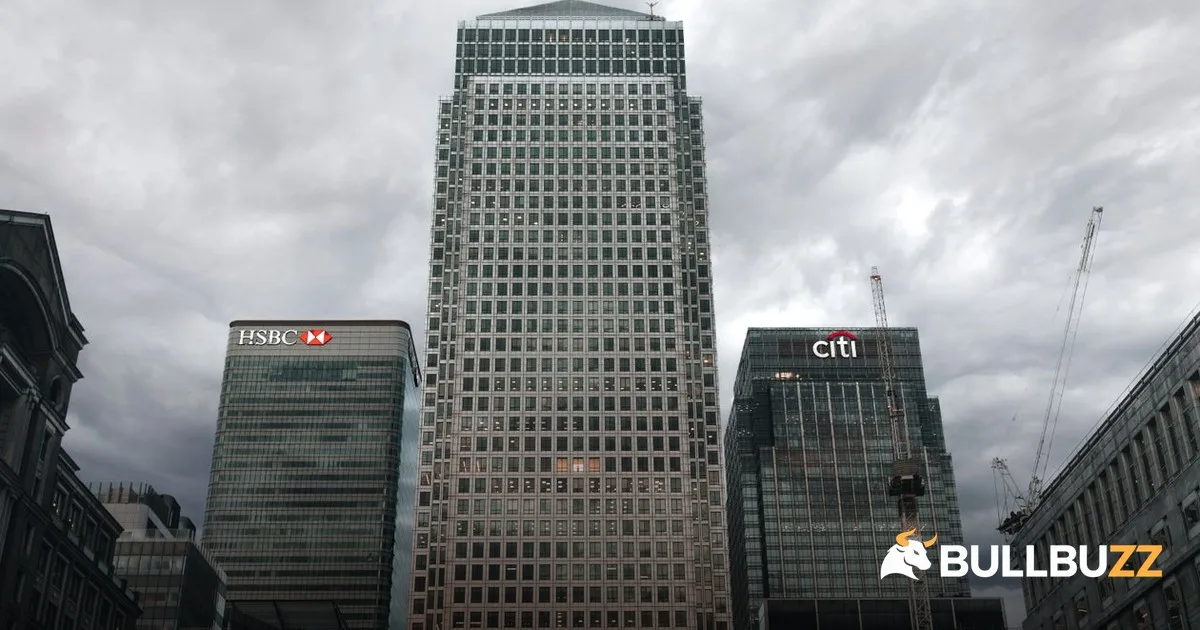
Polymarket has taken $77,507 (£58,530) in positions on whether the world's biggest banks fail by the end of 2026 - with HSBC and Lloyds Banking Group on the contract list alongside JPMorgan, BNP Paribas and Deutsche Bank, The Guardian reported. UK, US, Canadian and EU residents are banned from the offshore platform, but punters in roughly 150 other countries can profit from outcomes that would torch the global financial system - and the FCA has confirmed it is talking to international regulators about "market integrity," Beinsure reported.
The alarm is about bank runs, not just bad taste. Lib Dem Treasury committee MP Bobby Dean says Polymarket's "poor reputation for stopping insider trading" means the market could "aggravate real shifts in market sentiment" - and "could even trigger bank runs" if a contract escalates fast. He wants UK regulators on the phone to Washington now. The fear has precedent: SVB and Credit Suisse died in 2023 as X and WhatsApp frenzies accelerated withdrawals, and the Bank of England has already ordered lenders to prepare for social-media-speed runs, The Guardian reported.
Polymarket says it's democratising Wall Street's CDS desks
Polymarket sees no problem. Chief legal officer Neal Kumar argues banks and hedge funds have traded bank credit risk via credit default swaps for years: "You shouldn't need to work at an institution like that to have access to information" on bank failures - the markets simplify the question and "combat disinformation." Critics led by Oxford academics call it moral hazard: paying traders to profit from bank collapses creates "an incentive to engage in corrupt, illegal, or dangerous actions in order to rig the outcome," The Guardian reported - the same democratisation-versus-danger fight as 24/7 tokenized stock trading.
$1.2M Iran-strike wallets: the insider-trading rap sheet
Europe's watchdog is blunt: ESMA's September risk report warns "a growing number of incidents illustrates that prediction markets are rife with inside trading," with DLT platforms and wallet anonymity making culprits nearly unidentifiable - and VPNs letting banned users in anyway. The receipts stack up: fresh wallets banked $1.2M ahead of February's Iran strike news, a US soldier was charged over classified Maduro-raid bets, and French police probed sensor tampering tied to weather contracts in April, The Guardian reported. So far there's no evidence the HSBC and Lloyds contracts moved a single depositor - but with $77K and climbing, regulators aren't waiting to find out, EasternEye reported. The wallet-anonymity problem mirrors crypto's wider identity gap - the same rails as institutional USDC borrowing.