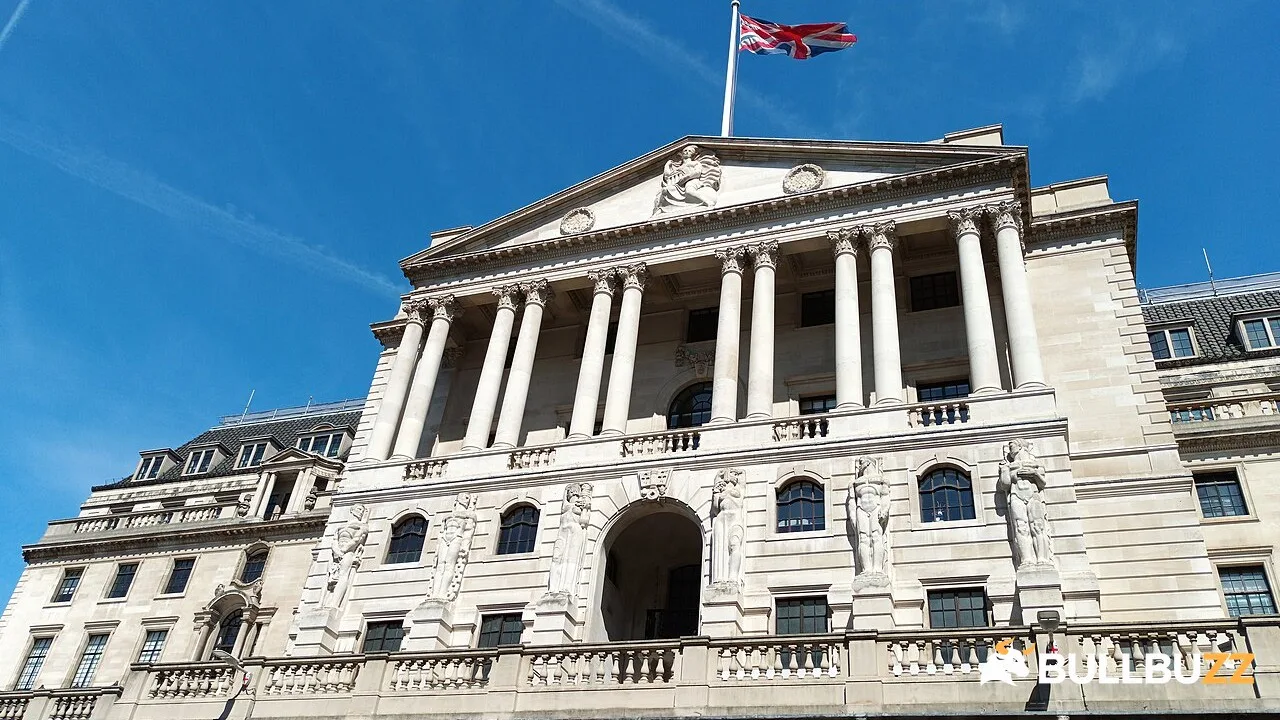
Sterling was the best-performing major currency on Friday, rising 0.4% to $1.3429 after the UK budget removed a key risk event for traders and left markets almost fully pricing a Bank of England rate rise next week, Reuters reported. The pound to dollar rate held around $1.34 through Friday's session, extending a run of gains that has put sterling on course for a 1% rise against the dollar in October, its first monthly gain since August.
Finance minister John Healey delivered his first budget on Wednesday under Prime Minister Andy Burnham, announcing tax increases on banks, gambling, savings and landlords, tighter VAT rules for online marketplaces, and measures to cushion households from rising energy bills, according to TradingView News. Healey said the government's fiscal headroom stood at £15 billion ($19.93 billion), in line with expectations in a Reuters poll but below the £23.6 billion estimated in March.
Pound to dollar: budget clears the way for a Bank of England hike
With the budget out of the way, attention has shifted fully to the Bank of England's policy meeting on Thursday 5 November. Money markets are almost fully pricing a rate rise next week, followed by a second increase in February, a third by July and a 50% chance of a fourth by December 2027, Reuters reported. FXStreet expects the Bank to deliver a 25-basis-point hike to 4.0% at the November meeting to contain inflation risks, noting that recent communication from policymakers has been hawkish.
The case for a hike rests on inflation. UK consumer prices rose 3.5% in September, up from 3.1%, with core inflation at 2.8% and services inflation at 3.7%, according to market reports cited by FXStreet. Higher energy prices following the war in the Middle East have pushed inflation back up after it had been expected to fall towards the Bank's 2% target, and 10-year gilt yields have risen above 5% as government borrowing costs climbed. The Bank held its Bank Rate at 3.75% in September in a 6-3 vote, with three members already favouring a rise.
Analysts described the budget itself as cautious and broadly in line with expectations, adding modestly to near-term borrowing without unsettling markets. Brown Brothers Harriman said the budget would have a "neutral" impact on sterling and gilts, noting that the government slightly increased fiscal tightening while planning a small increase in debt issuance. For traders, that calm reception mattered: it left the rate-hike story, rather than fiscal worry, driving the pound.
Sterling outpaces the euro and holds its own against the dollar in 2026
Sterling's Friday gain stood out against a softer dollar and a wilting euro. The dollar index fell 0.07% to 101.96, while the euro slipped 0.12% to $1.1168, heading for a second consecutive monthly decline after falling on Thursday to its lowest since May 2025 following the European Central Bank's decision to leave rates unchanged, Stockbiz reported.
For the year so far, sterling has fallen 0.6% against the dollar, on a par with the yen and well ahead of the euro, which has dropped nearly 5%, Reuters reported. Against the euro itself, the single currency has lost more than 4% versus sterling this year, a move Reuters attributed more to broad-based negativity towards the euro than to outright optimism about the pound. The yen, meanwhile, was heading for a third consecutive session of gains against the dollar after the Bank of Japan held rates at 1.25% and raised its inflation forecasts, as BullBuzz reported in its coverage of the BOJ decision.
What traders watch next: the Bank of England, the Fed and the data
The dollar side of the pair is also in flux. US data showed the economy grew 3.4% year on year in the third quarter, while core PCE inflation came in at 3.1%, and traders have been trimming bets on a December Federal Reserve hike even after solid US figures, FXStreet reported. The Fed held its target range at 3.75%-4.00% this week, as BullBuzz covered in its report on the Fed decision, leaving the US and UK policy rates close together heading into next week's meetings, with the Reserve Bank of Australia also due to decide.
The risk for sterling bulls is that the hike is already priced. FXStreet's preview notes that the balance of risk is tilted towards a less hawkish stance from the Bank than markets expect, which would leave some upside risk for EUR/GBP. A cautious message on 5 November, or softer UK data before then, could therefore take some of the shine off a pound that has already done much of its running on rate expectations. For now, though, the combination of a budget that avoided market disruption and a central bank expected to tighten has left sterling standing taller than its major peers, even in a week when gold fell below $3,900 and oil surged on the back of the broader market sell-off.