The RBA minutes released on Tuesday, 17 November, show a central bank board split over how much further interest rates must rise, with six of the nine members judging that this year's tightening was "not clearly sufficient" to bring inflation back to target. The minutes cover the 2-3 November meeting at which the Reserve Bank of Australia lifted the cash rate to 4.85%, its highest since November 2008, in a six-to-three vote.
The decision, announced on 3 November, was the Reserve Bank's fifth rate rise of 2026, taking the cumulative tightening this year to 125 basis points from the 3.60% level at which the year began. It was the most openly divided decision of the current cycle, and the minutes make clear the split was about the outlook rather than the diagnosis: every member agreed inflation was too high, too broad-based, and at risk of staying that way.
RBA minutes show six members saw 4.85% as "not clearly sufficient"
The case for the rise rested on three concerns: a further deterioration in the inflation outlook, continued upside risks to the forecast, and an assessment that financial conditions "may not be as restrictive as that backdrop required". The six members who backed the increase pointed to the risk that higher inflation expectations would become embedded if the bank waited, and to the possibility that the neutral rate — the level at which policy neither stimulates nor restrains the economy — has drifted higher.
The three dissenters preferred to leave the cash rate at 4.60% and wait. They argued that the economy may be nearing a materially sharper downturn, that unemployment was already rising, and that the board should give earlier hikes more time to work through households and businesses before tightening again, Reuters reported.
The case for the rise was "founded on concerns about the further deterioration in the outlook for inflation, continued upside risks to the inflation forecast and an assessment that financial conditions may not be as restrictive as that backdrop required", Morningstar reported, citing the minutes.
Bullock says inflation risks remain skewed to the upside
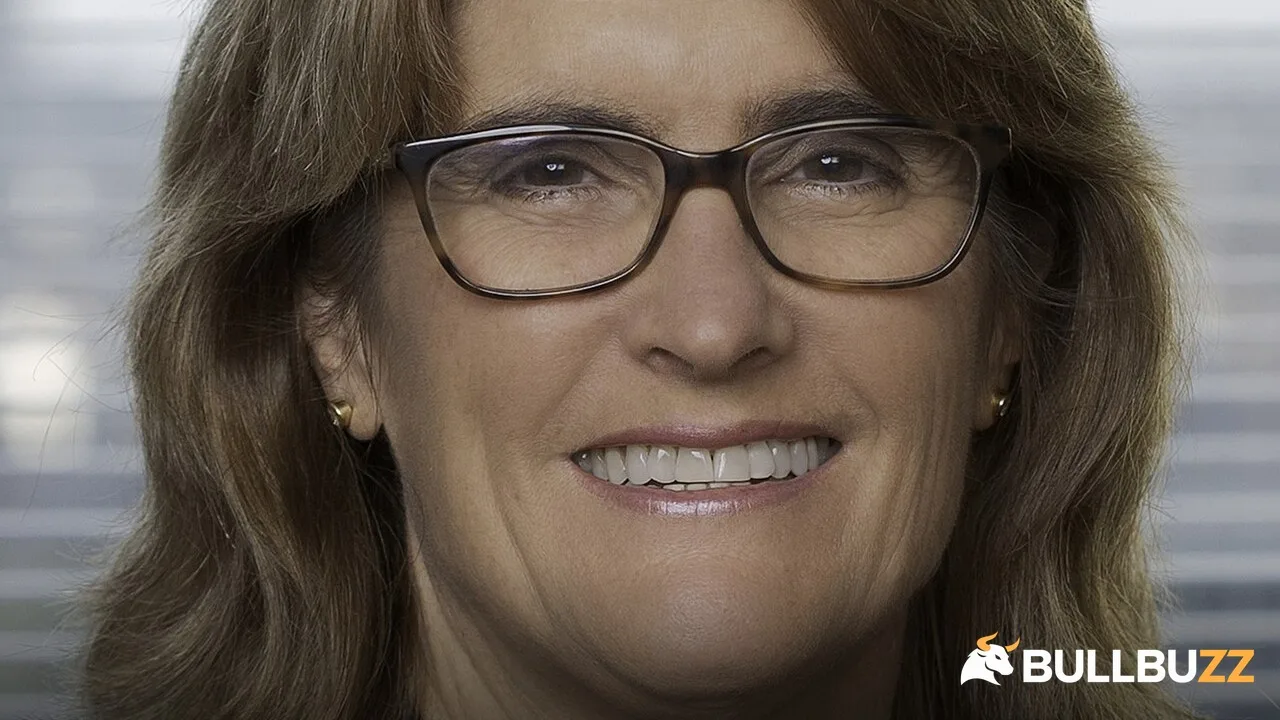
Governor Michele Bullock underlined the hawkish message in Sydney on Tuesday, telling the ASIC Annual Forum that inflation risks remain skewed to the upside. She cited three upside risks: oil prices staying higher than futures markets assume, extra demand from artificial intelligence and data centre spending, and signs from the bank's business liaison that firms now see inflation of 3% to 3.5% as "the new normal".
Bullock also said the housing market had fallen further than higher interest rates alone would explain, partly because of tax changes and general uncertainty, calling it a downside risk the bank is watching closely. The tension in her remarks captures the board's dilemma: inflation is still too high, yet the economy is already showing the strain of the fastest tightening in a generation.
The bank's own forecasts underline why the hawks won the argument. Headline inflation was 3.9% over the year to the September quarter, with trimmed mean inflation at 3.7%, and both measures are expected to stay above 3% until the end of 2027, reaching the 2.5% midpoint of the 2% to 3% target only in mid-2028. Headline inflation is forecast to hit 4.5% in the December quarter before easing. The forecasts assume oil prices fall by about US$30 a barrel over two years, leaving significant upside risk if prices stay high, InvestingLive noted.
Price pressures are not confined to Australia. India's wholesale inflation jumped to 12.29% in October as fuel and power costs surged, while across the Tasman, New Zealand's one-year inflation expectations jumped to 2.92% in the Reserve Bank of New Zealand's November survey, lifting bets on more rate hikes there too. Unemployment in Australia has already hit a five-year high of 4.7% and is forecast to climb above 5% in the next two years.
Markets call 4.85% the peak as the Aussie holds near 0.6740
The Australian dollar held near 0.6740 against the US dollar in Asian trading on Tuesday after the minutes were released at 8:30am Malaysia time, little changed on the day. Traders took the divided vote as a sign the tightening cycle is near its end, even if the board itself is not ready to say so.
ANZ, Commonwealth Bank and Goldman Sachs all say the cash rate has now peaked at 4.85%. ANZ expects the rate to stay there for some time, forecasting no change until the end of 2027, while Goldman Sachs said the minutes were broadly consistent with the message from Bullock's post-meeting press conference. Market pricing before the meeting had implied around one and a half further increases by the middle of next year.
Gold touched a one-year low this week on the same shift toward higher-for-longer rates, as a strong US dollar and Treasury yields above 5% capped the metal's gains. For Australian borrowers, the question now is not whether the Reserve Bank will hike again, but how long 4.85% stays in place. The board meets again on 7-8 December, with its decision due at 11:30am Malaysia time on 8 December, and it gave no explicit guidance on its next move.