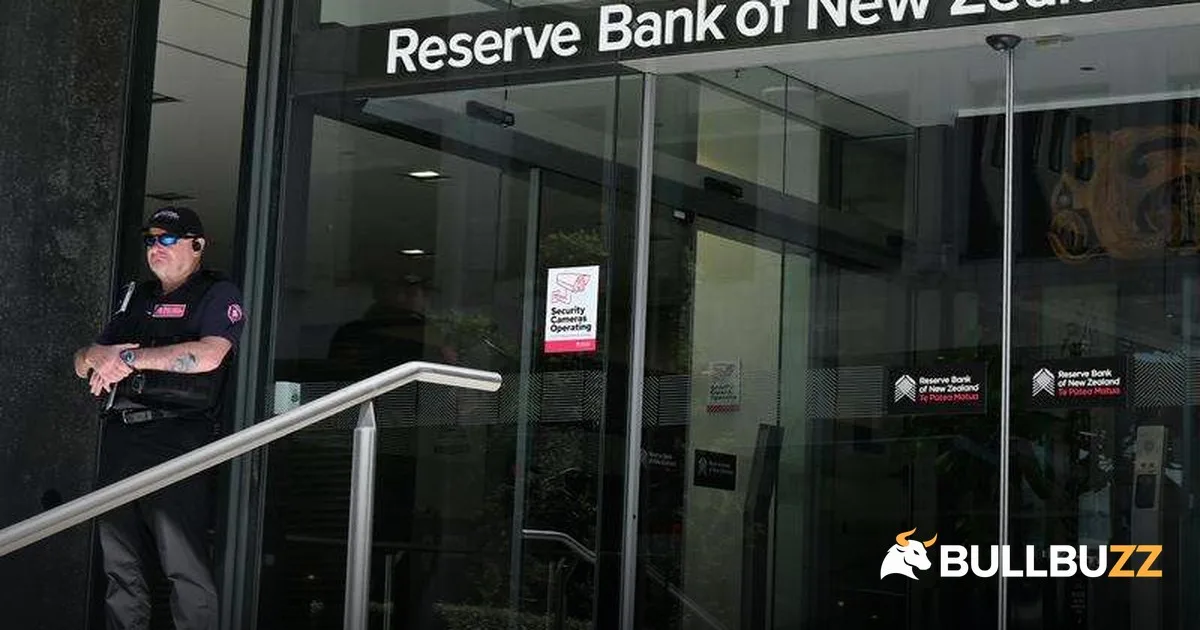
The RBNZ rate decision surprised markets on Wednesday, 28 October, as New Zealand's central bank held its Official Cash Rate at 2.75% in a narrow 4-3 vote. The New Zealand dollar fell sharply after investors had expected an increase.
The Reserve Bank's decision and meeting record showed four members, including Governor Anna Breman, favouring a pause. Three wanted a quarter-point increase to 3.00%. All agreed that tighter policy was likely to be needed, subject to the economic outlook.
RBNZ Rate Decision Defies Expectations
Reuters reported via The Business Times that 22 of 27 economists in its poll had expected a rise. The currency dropped from about US$0.5676 to US$0.5590 in the initial reaction described by the report.
Those exchange rates are a reported post-announcement snapshot, rather than a live dealing quote. They show how a decision to leave borrowing costs unchanged can still cause a substantial market move when expectations point in another direction.
The majority preferred more time to assess two earlier rate increases, subdued wage growth and risks to the recovery. The minority placed greater weight on persistent core inflation and the possibility that higher costs would become embedded in price-setting.
The pause therefore leaves an unresolved policy choice. It does not amount to a promise that rates have peaked, and the split vote makes the conditional guidance particularly important.
Inflation Eases but Remains Above Target
Stats NZ's September-quarter release recorded annual consumer inflation at 3.7%, down from 4.1% in June. Prices rose 0.7% over the quarter.
- Annual tradable inflation: 4.3%.
- Annual non-tradable inflation: 3.3%.
- CPI excluding food, household energy and vehicle fuels: 2.9% annually.
The breakdown helps explain why one headline number does not settle the rates debate. Petrol prices fell 6.5% over the September quarter but remained 19.1% higher than a year earlier. A quarterly fall can coexist with a large annual increase because the comparison periods differ.
International airfares rose 14.3% over the quarter, while local authority rates and payments increased 6.2%. These movements show that household costs were changing unevenly across the basket rather than moving together.
Why the Hold Matters Beyond Currency Trading
The bank's official cash-rate explainer identifies the OCR as its main tool for keeping inflation between 1% and 3%. Changes often affect mortgage, loan and savings rates, though the policy rate is not itself a retail borrowing quote.
The Real Estate Institute of New Zealand said the pause offered stability after two consecutive increases. Its September report showed national sales down 11.6% annually and the House Price Index down 1.5%, with substantial regional differences.
REINZ reported annual house-price growth across all four South Island series, while all eight North Island series fell. The national average therefore masks different conditions for buyers and sellers within the same policy setting.
That industry response adds a household perspective to the market reaction. A steady policy rate gives borrowers more certainty for now, but property affordability also depends on incomes, lending terms and local conditions.
Malaysian readers paying New Zealand-dollar expenses face a separate currency question. A weaker kiwi against the US dollar does not automatically establish the same percentage change against the ringgit; the relevant cross-rate and transfer charges still need checking.
What Traders Should Watch Next
The RBNZ lists its next decision for 9 December. Incoming price and demand data will help determine whether the pause continues or further tightening follows.
BullBuzz's Australian inflation report covers a different release that also put rates in focus. Its South Korea growth coverage highlights uneven regional demand. Each economy's policy outlook depends on its own inflation and activity evidence.
Photo: AAP Image via Country News. Reserve Bank of New Zealand entrance, used as an illustration of the institution.