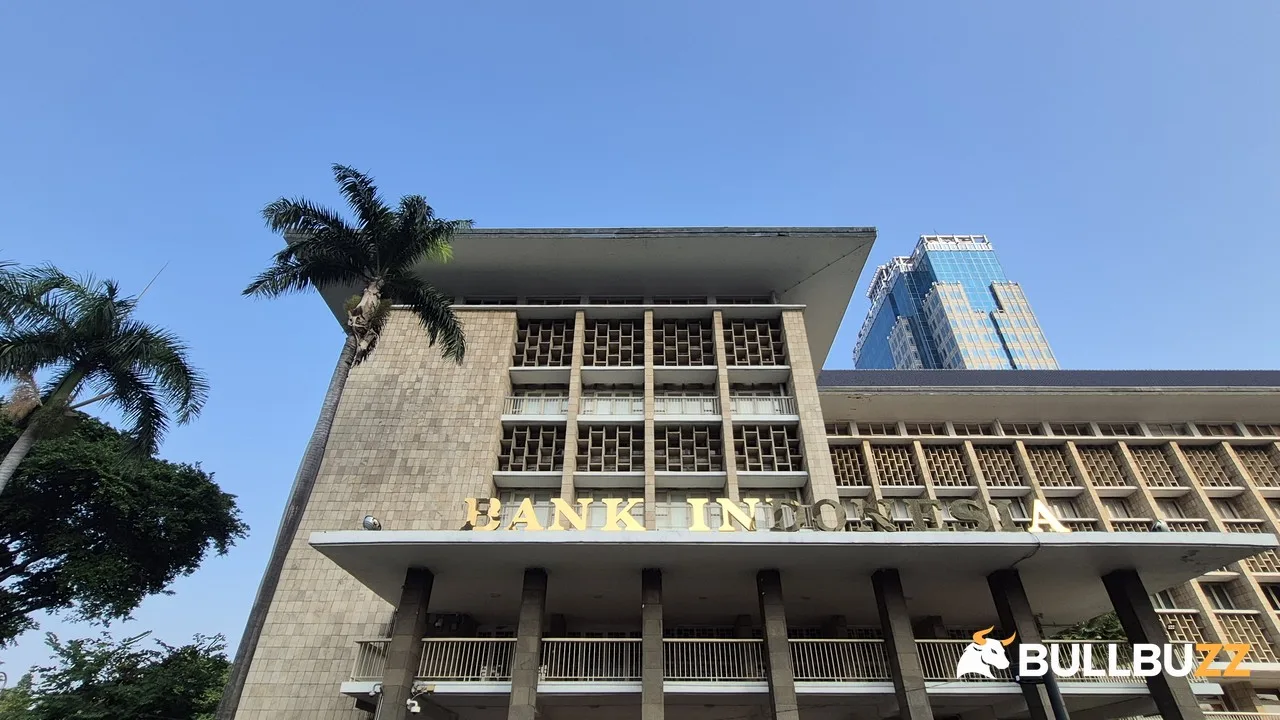
Indonesia’s rupiah sank to a record low against the US dollar on Thursday, 12 November, forcing Bank Indonesia into the market to defend a currency that has now lost more than 8% this year and become Asia’s worst performer in 2026.
The rupiah weakened as much as 0.5% to 18,241 per dollar, breaking past the previous record low of 18,190 set in early June, and later touched 18,253 in afternoon trade as traders piled into the greenback on growing bets that the Federal Reserve will raise interest rates again in December. The Straits Times reported that the sell-off also hit the nation’s stocks and bonds, with the 10-year government bond yield climbing four basis points to 7.66%.
Bank Indonesia steps into the market
Bank Indonesia said it was intervening in the offshore non-deliverable forwards market, the domestic non-deliverable forwards market and the spot market, as well as buying government bonds in the secondary market to steady the rupiah.
“Bank Indonesia remains present in the market to maintain the stability of the rupiah exchange rate, ensuring it aligns with its fundamental value,” the central bank’s executive director of Monetary and Securities Management, Erwin Hutapea, said in a statement on Thursday.
The intervention came as the dollar climbed to an 18-month high on Wednesday, 11 November, after hotter-than-expected US October inflation data and hawkish remarks from Federal Reserve officials left traders pricing in a small chance of a half-point rate rise in December. October consumer prices rose 0.4% on the month, with core prices up 0.3%, and the shift has pushed the dollar sharply higher against almost every Asian currency. The dollar also pushed the yen toward the closely watched 160 level this week, while gold fell below $4,000 for a third straight session as bets on further Fed tightening built.
MSCI review adds to the pressure
The rupiah’s slide has been building for weeks, and the immediate trigger sits alongside a deeper worry about Indonesia’s place in global stock indexes. Index provider MSCI unveiled a proposal in October to reclassify Indonesia from emerging market to standalone market status, citing persistent concerns about investability, and the threat of removal has weighed on sentiment ever since.
Goldman Sachs has estimated that about $5.6 billion of passive outflows could follow if Indonesian stocks are removed from MSCI’s indexes, and Bank Indonesia has said it is monitoring capital outflows following the announcement. MSCI’s November review has already shaken other markets this week, after the index provider said it would drop Strategy, the largest corporate holder of bitcoin, from its US index.
Local regulators have stepped up efforts to improve the equity market’s transparency and surveillance in a bid to avert the downgrade, fining companies and individuals involved in stock manipulation, excluding tightly held shares from the benchmark index and tightening disclosure of shareholders’ affiliations. MSCI has said it will announce its decision by the end of June.
“The rupiah continues to face relatively poor investor sentiment due to the confluence of unfavourable news headlines and the shift in the outlook for the US inflation and Fed policy,” said Homin Lee, senior macro strategist at Lombard Odier in Singapore. “MSCI reclassification risk and Bank Indonesia’s relatively slow tightening cycle are also deterring value-seeking investors for the rupiah.”
Political uncertainty piles on
Renewed political uncertainty is adding to the strain. Vice-President Gibran Rakabuming Raka resigned this week, after growing calls from politicians for his impeachment over questions about his educational credentials. Gibran is the son of former president Joko Widodo, and his departure has left investors asking what comes next for the administration.
“The optics around the resignation are negative, the politics remain messy and investor sentiment is still fragile,” said Galvin Chia, an emerging Asia strategist at Societe Generale, although he added that there should be little fundamental spillover from the resignation itself.
What happens next for the rupiah
Attention now turns to Bank Indonesia’s policy meeting next week, where markets widely expect another rate rise. The central bank raised rates by 100 basis points between May and June to support the rupiah, and traders will be watching for a signal that it is prepared to move again to defend the currency.
Bank Indonesia has room to act. Indonesia held $146.8 billion in foreign exchange reserves at the end of October, giving the central bank firepower to keep intervening while it weighs its next rate decision. But with the Fed now seen as more likely to tighten than to ease, and the MSCI review hanging over Indonesian assets, the rupiah’s record low may not be the last test of the central bank’s resolve.
For traders, the levels to watch are clear: whether the rupiah can hold above 18,250, whether Bank Indonesia’s intervention steadies the currency into next week’s meeting, and whether the dollar’s rally pauses long enough for Asia’s worst-performing currency of 2026 to find a floor.