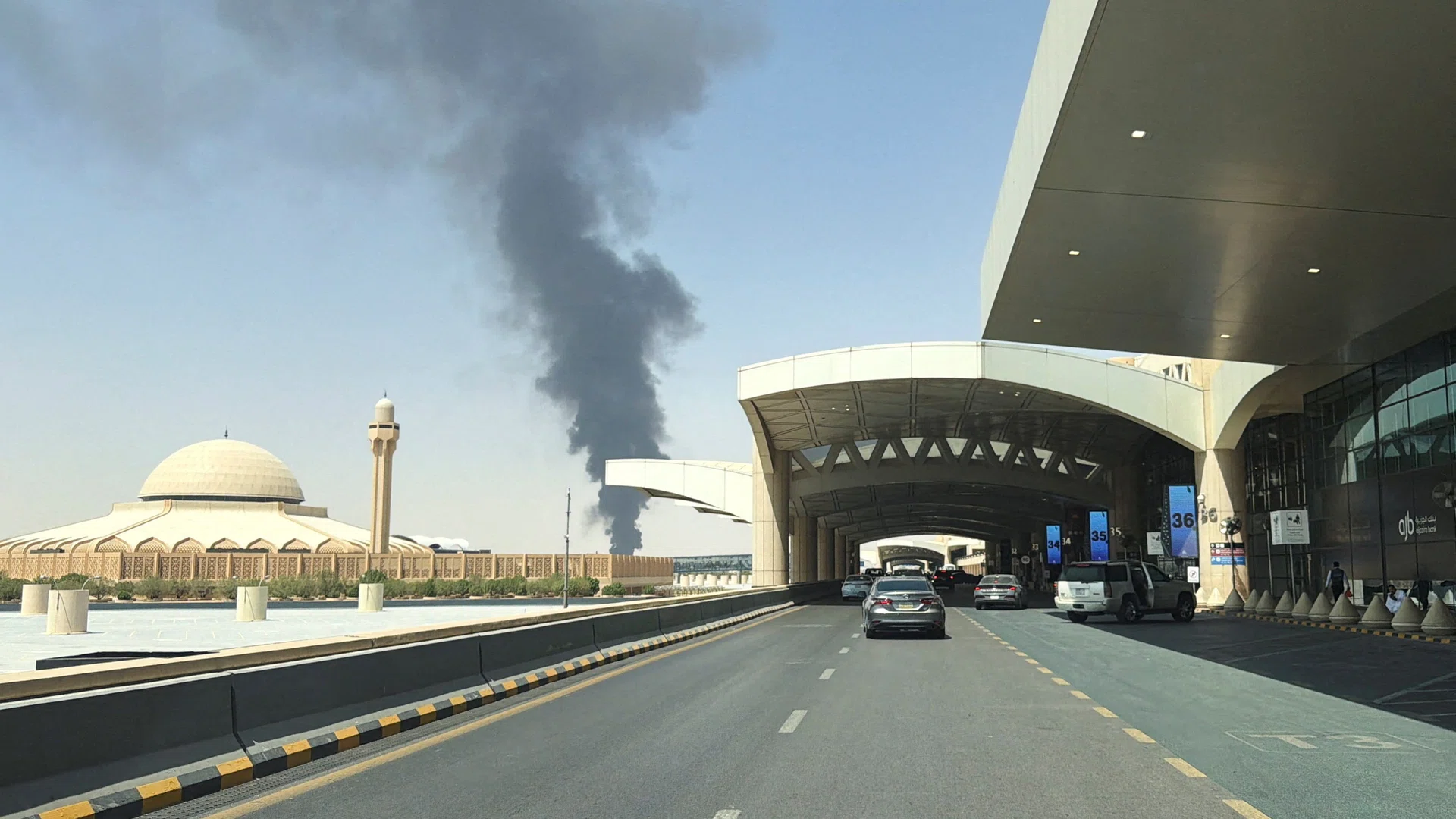
Saudi airport attacks have expanded beyond Riyadh after Saudi authorities said King Fahd International Airport in Dammam was targeted on Sunday, while questions grew over why public warning alerts were absent before a series of deadly strikes on the capital.
The General Authority of Civil Aviation said the Dammam airport attack was under damage assessment and safety inspection. Reuters reported on Tuesday that at least 18 people had been killed and more than 300 wounded in the recent Riyadh airport attacks, and that Saudi Arabia had stopped issuing public warnings of imminent attacks before the strikes.
Dammam Airport Becomes the New Flashpoint
The Saudi Press Agency said King Fahd International Airport in Dammam was targeted on the evening of October 11. The statement did not provide a verified casualty figure or identify the weapon used. It said authorities were coordinating inspections before determining the extent of any damage.
Dammam is in Saudi Arabia's Eastern Province, a region closely tied to the kingdom's energy infrastructure and Gulf shipping routes. A confirmed impact on a major civilian airport therefore carries implications beyond passenger disruption, although the official statement did not say that oil facilities were damaged.
Why Riyadh's Warning System Is Under Scrutiny
Reuters reported that public alerts were not issued before four Riyadh airport attacks during the past week. Western embassies continued sending internal alerts to staff, according to people cited by Reuters, while Saudi officials have not publicly explained the change.
The Associated Press reported that Saudi authorities opened an investigation into how missiles and drones reached Riyadh despite the kingdom's air-defence systems. The Houthis, an Iran-aligned movement fighting in Yemen, claimed several attacks, but attribution for each individual projectile should remain tied to the relevant official investigation.
- Confirmed new location: King Fahd International Airport in Dammam was targeted on October 11.
- Riyadh toll reported by Reuters: at least 18 dead and more than 300 injured across the recent attacks.
- Operational risk: airport closures, rerouting and safety inspections can change flight status quickly.
What This Means for Gulf Travel and Oil Markets
Repeated attacks on airports raise the risk of flight disruption, higher insurance costs and tighter screening across Gulf aviation. BullBuzz previously reported the first deadly Riyadh airport strike and the separate Sunday Riyadh attack; this update tracks the geographic spread to Dammam and the security questions that followed.
Energy traders are watching whether attacks reach oil-loading, refining or pipeline facilities. The latest Dammam statement does not establish damage to those assets. Any market reaction should therefore distinguish a verified airport incident from unconfirmed claims about Saudi energy infrastructure.
What Traders and Passengers Should Watch Next
The next material signals are an official Dammam damage assessment, updated airport operating notices and any verified attribution from Saudi authorities or the coalition. Passengers should confirm each flight directly with the airline and airport before travelling. Traders should watch crude risk premiums, Gulf shipping insurance and any new restrictions around energy facilities rather than assume that an airport strike automatically changes oil supply.
Saudi Arabia's response to the warning-system questions may become as important as the individual attacks. A public explanation, new alert procedures or broader airport closures would show how the kingdom is balancing civilian safety, travel continuity and confidence in its air-defence network.