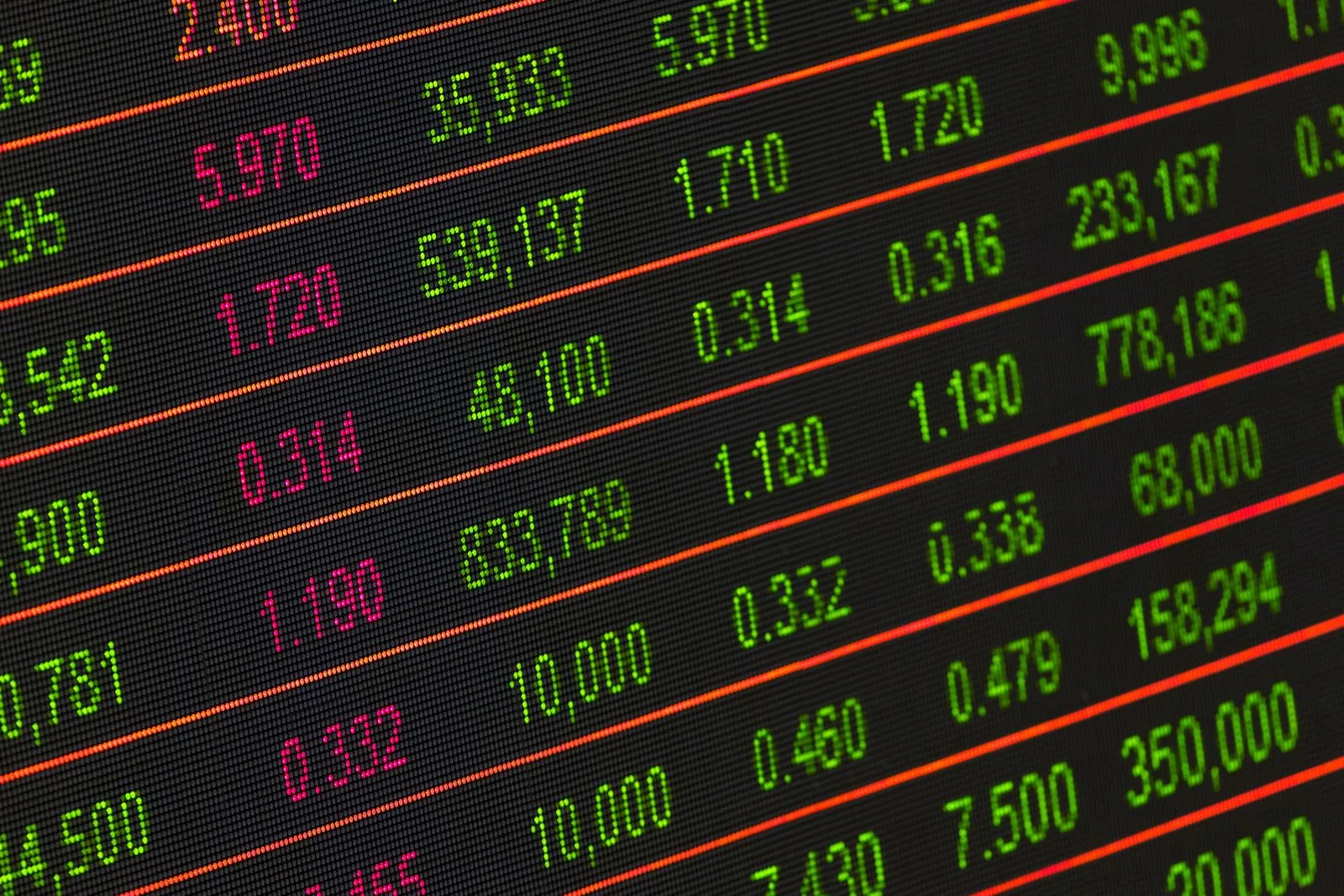
Wall Street endured its ugliest session in over a month on Monday as the S&P 500 suffered its biggest one-day percentage fall since late August. The index lost 59 points, or 0.76%, to close at 7,683.69, the Nasdaq slid 0.91% to 26,822.09, and the Dow shed 343.78 points to 51,484.84 after President Trump rejected Iran's proposal to reopen the Strait of Hormuz, sending crude and yields spiking, The Economic Times reported.
Tuesday opened as the mirror image: the S&P 500 rose 0.21% to 7,699.6 and the Nasdaq gained 0.31% to 26,904.60 as oil pulled back and details of Anthropic's $2 trillion IPO reignited the AI trade, Reuters reported. But the bounce is already fading - the S&P hit day lows down 0.19% within the first hour as stubborn yields countered tech optimism.
Monday's wreckage: chips crushed, breadth rotten
The damage on Monday was concentrated where it hurts most. Arm Holdings cratered 8.7%, Qualcomm dropped 7.17% and Intel slid 5.67%, while Meta lost 4.79%, Tesla fell 3.96% and AMD declined 3.61%. Three forces combined: Trump's Hormuz rejection, the 10-year Treasury yield hitting about 5.24% - its highest since 2007 - and OpenAI's second AI-training pause in three months rattling the AI trade, BBN Times reported.
Beneath the index, the structure looks worse. A Goldman Sachs note published Monday says market breadth has fallen to its lowest since the dot-com bubble, with the median S&P 500 stock trading 16% below its 52-week high.
Tuesday's fragile bounce
The relief has real fuel. Oil flows out of the Persian Gulf have reportedly recovered to more than 90% of pre-war levels, Saudi Arabia restored flows through a key pipeline, and Treasury yields eased early Tuesday after Monday's blowout. Indirect US-Iran talks through mediators also continued on Monday, keeping a sliver of diplomacy alive, TheStreet reported.
Yields vs tech: the tug-of-war
By mid-morning, though, the sellers were back: the Dow fell 322 points to 51,159, the S&P slipped 0.28% to 7,661.82 and the Nasdaq gave up 0.11% to 26,789.68, The Economic Times reported. As Capital.com's Kyle Rodda put it, markets are waiting for a breakthrough on the war - and it is unlikely to arrive any time soon. Until then, every rebound is rented, not owned.