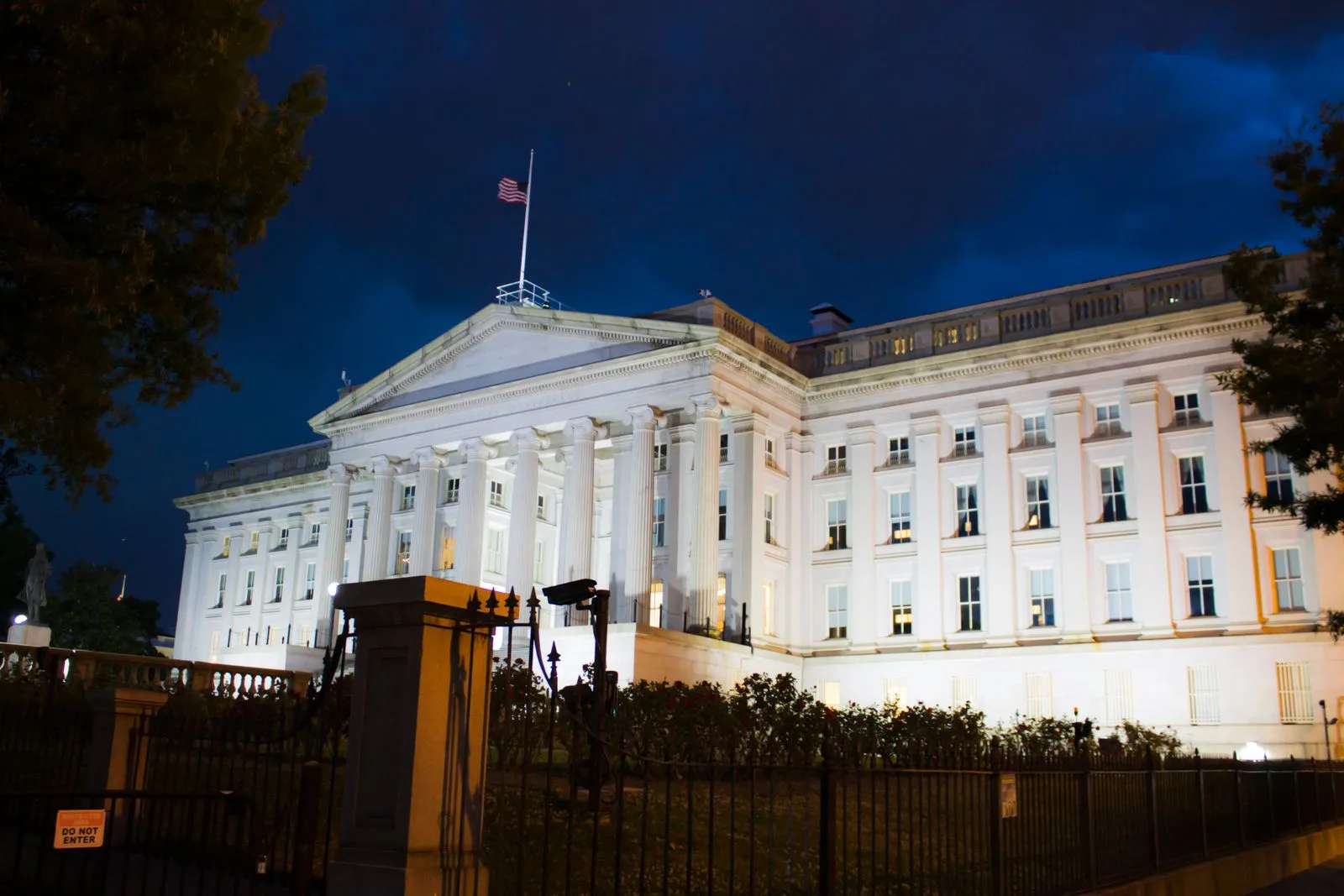
US crypto regulation just had its biggest single day in years - and almost all of it points one way. In the span of 24 hours, the Treasury killed two hated surveillance rules, the CFTC opened a federal door for leveraged retail trading, and new bank-charter filings piled onto the industry's courtroom battle with traditional banks.
Start with the headline win: on October 5, Treasury's FinCEN formally withdrew its December 2020 "unhosted wallet" proposal - which would have forced banks to log self-custody transactions over $3,000 and report those above $10,000 with counterparty details - plus the 2023 plan to brand international crypto mixing a "primary money laundering concern." "No further action" on either, the agency wrote, citing the White House's July 2025 digital-asset report and its support for "lawful users" transacting privately, Yahoo Finance reported. Existing money-laundering obligations - and sanctions on specific mixer protocols - stay in place.
CFTC opens the leverage door
Hours later, CFTC Chair Michael Selig unveiled Regulation CTX and Regulation CAM: an optional federal "crypto asset market" registration letting US exchanges offer leveraged, margined or financed retail crypto through regulated futures merchants, with a 60-day comment window. The target is enormous - perpetual-futures volume topped $60 trillion in 2025, nearly all of it offshore - and the move lands weeks after Congress failed to advance the CLARITY market-structure bill, Forbes and Reuters reported. Registration stays voluntary; forcing venues onshore would need an act of Congress.
3x funds cleared, charter war escalates
The SEC, meanwhile, approved Cboe's listing rules for six triple-leveraged products from Volatility Shares - including 3x Bitcoin and 3x Ether funds - on October 2, though trading can't start until separate registrations go effective, CryptoSlate reported. Daily-reset leverage cuts both ways: earlier 2x crypto funds lost up to 96%. And the OCC charter fight intensified as Rain and Modern Treasury filed for trust-bank status days after community banks sued to block crypto's "side door" - with an advocacy group now pushing back on the lawsuit, Cointelegraph reported.
Net: surveillance down, leverage up, and Washington's message to crypto is suddenly coherent - build it here, inside a federal perimeter. The catch is Congress still hasn't passed market-structure law, so every one of these agency moves can be relitigated by the next administration.