ExxonMobil and Chevron both beat Wall Street forecasts for the third quarter on Friday, as a surge in refining margins turned their fuel-making businesses into profit engines rivalling oil and gas production itself. The Exxon Chevron Q3 earnings results capped a second straight strong quarter for the US oil majors, even as broader US share indexes fell on the same day.
ExxonMobil reported net earnings of US$15.4 billion, or US$3.72 per diluted share, with adjusted earnings of US$17.5 billion, or US$4.23 a share, ahead of the US$4.08 expected by analysts polled by LSEG, according to Reuters. Revenue rose 33% from a year earlier to US$113.16 billion, the Associated Press reported. Chevron reported net income of US$9.9 billion, or US$5.06 a share, and adjusted earnings of US$10.4 billion, or US$5.28 a share, beating the US$4.89 analysts had expected. Its revenue rose 36% to US$67.8 billion.
Exxon Chevron Q3 earnings: refining overtakes production
For the first time in at least six years, Exxon earned more from refining than from exploration and drilling. Its Energy Products segment, which houses its refineries, earned US$7.17 billion in the quarter, edging out US$7.09 billion from upstream oil and gas production, Reuters reported. Chevron's downstream business, which refines and sells fuel, earned US$4.93 billion, up from US$1.14 billion a year earlier, its strongest downstream result in the same six-year stretch.
The driver was margins, not volumes alone. The effective closure of the Strait of Hormuz and attacks on refineries in Saudi Arabia and Russia have knocked out fuel-making capacity, sending refining margins sharply higher, Reuters reported. Chevron's US refineries processed a record 1.09 million barrels of crude a day, running at nearly 98% of capacity. Exxon's US Gulf Coast refineries ran at 100% utilisation, with Gulf Coast diesel production at its second-highest level on record, according to the Associated Press.
Fuel prices show why the margin story matters beyond the two companies. Diesel in the US was about US$6.32 a gallon, up 71% from a year earlier, while regular gasoline was up about 38%, the Associated Press reported, citing AAA data. Exxon chief financial officer Neil Hansen acknowledged the pressure on households, saying the most meaningful response available to the company was to increase supply.
Investment plans point to more fuel, not just higher payouts
Both companies used the earnings calls to argue that the refining windfall is being channelled into capacity. Exxon is investing more in its refineries, including at its Baytown complex in Texas. The company said US distillate production would grow by another 100,000 barrels a day through refinery investments, without giving a timeline, and chief executive Darren Woods said Exxon was looking for more ways to expand and upgrade existing refining facilities.
Exxon also pointed to its Beaumont refinery expansion in Texas, which has helped lift distillate production by approximately 40% since 2019, the Associated Press reported. Chevron said it had opportunities to increase efficiency at its US Gulf refineries and could grow capacity by 7% at its Pascagoula refinery in Mississippi by the end of the decade, chief financial officer Eimear Bonner told Reuters.
Production beyond refining also helped. Exxon cited strong output from Guyana and the Permian Basin, while Chevron said its results included one month of production in Venezuela, the Associated Press reported.
Debt first for the US majors, buybacks for European rivals
One clear split emerged in how the windfall is being used. The two US majors are using the cash to pay down debt and strengthen balance sheets rather than sharply raising dividends or buybacks, Reuters reported. Exxon reduced debt by US$8 billion during the quarter and raised its fourth-quarter dividend by four cents, while saying it would repurchase US$20 billion of shares in 2027, the same level as in the previous two years. Chevron has cut net debt by nearly US$14 billion compared with the end of 2025.
"We think in decades, not quarters," Bonner said. "We need that [strong] balance sheet through high prices and low prices." European rivals took a different route: Shell said strong results would allow it to raise buybacks over the next three months to US$5 billion, up from US$3 billion, Reuters reported.
For traders, the question now is durability. Fuel-making margins should return to more normal levels when conflicts end and damaged refineries are repaired, but that will take time, executives from both companies said. "Margins will stay a bit elevated, maybe into next year," Chevron vice chairman Mark Nelson said on the company's analyst call. BullBuzz previously reported that Brent crude neared US$115 as Gulf attacks raised supply fears, and the latest earnings show how that tightness has flowed through to refiners' bottom lines.
The earnings season has been strong beyond energy: Microsoft's latest quarterly results and Hyundai's third-quarter results also beat expectations in their own sectors. For Exxon and Chevron, though, the standout detail remains the inversion at the heart of the quarter: the refinery, long the smaller earner, briefly out-earned the oilfield.
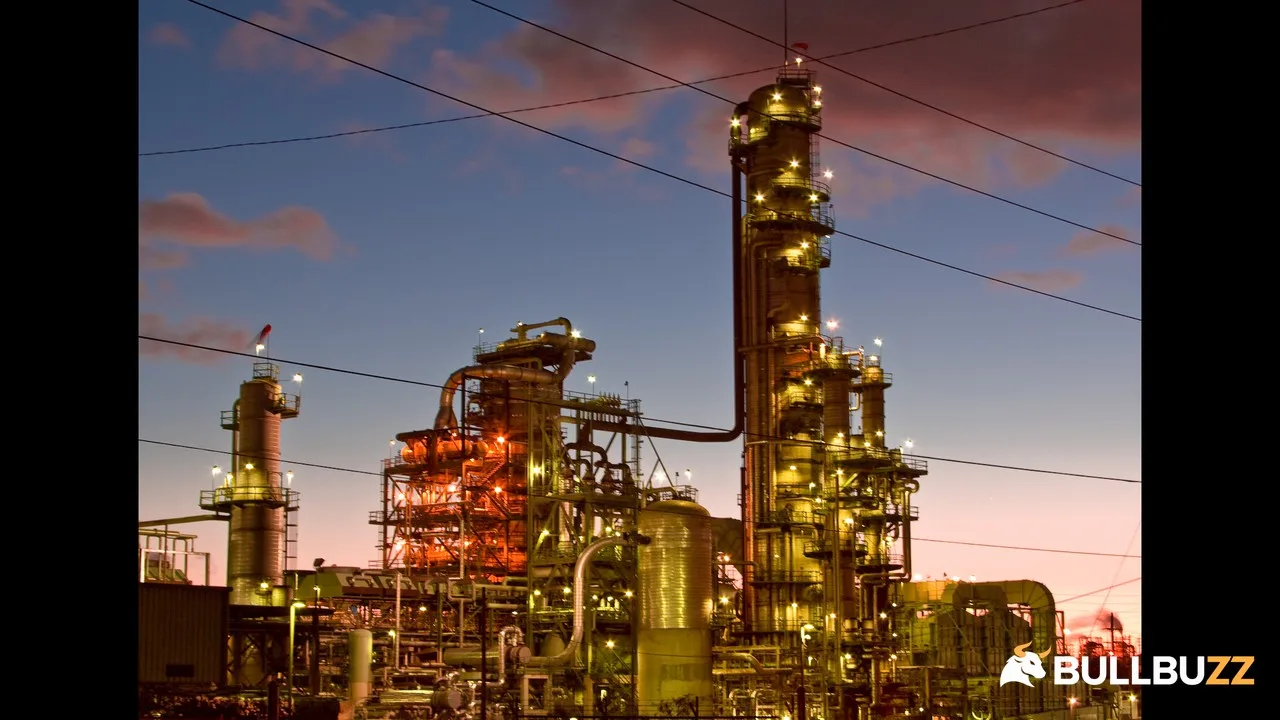
Photo: file photo of a Chevron refinery in El Segundo, California, taken in December 2007. It is not a photograph of the companies' third-quarter operations.