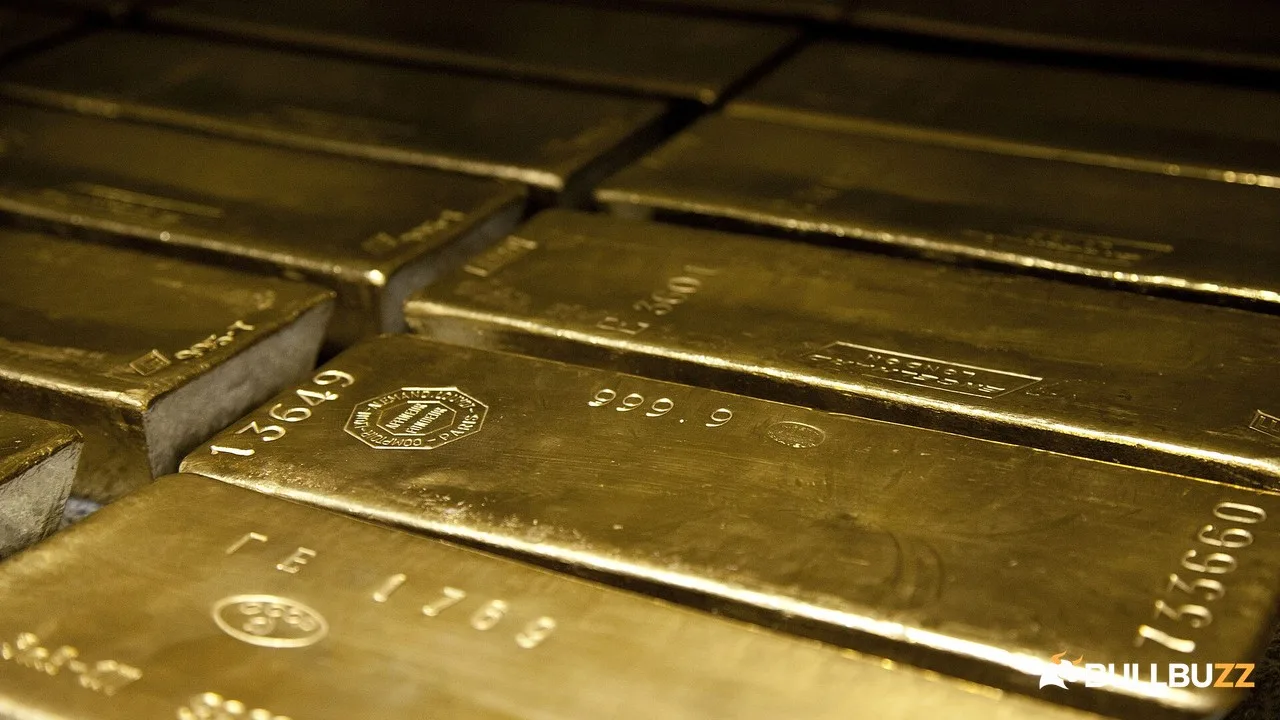
Gold prices bounced back above $3,900 an ounce on Monday, recovering from a one-year low after Friday's bruising selloff, as falling oil prices eased fears that energy-driven inflation would keep US interest rates higher for longer. Spot gold rose 0.9 per cent to $3,907.94 an ounce by 0633 GMT, while US gold futures for December delivery gained 0.5 per cent to $3,916.70, according to Reuters. The rebound came after bullion slumped 3.5 per cent on Friday to its lowest since October 2025, dropping below the key $4,000 level for the first time in a year.
The metal's recovery is, for now, a bounce rather than a breakout. Gold remains below $4,000, and traders are watching whether buyers can hold the regained $3,900 level through a week packed with event risk: Americans vote in midterm elections on Tuesday, and the US jobs report lands on Friday. Both could reshape expectations for Federal Reserve policy, which have been the dominant force on bullion in recent weeks.
Gold price: why bullion bounced on Monday
The immediate trigger was oil. Crude prices fell more than 3 per cent after Reuters reported that Iranian negotiators were in Doha on Sunday for a third consecutive day of talks with Qatari mediators, aimed at pushing for a deal to end the US-Israeli war on Iran. Cheaper energy tempers inflation expectations, and that matters for gold because elevated energy prices raise the odds that the Fed keeps interest rates higher for longer, increasing the opportunity cost of holding non-yielding bullion.
"We're just getting a bounce after the selloff, along with oil prices coming off to start the week, which is providing a little bit of a relief for precious metals generally," Kyle Rodda, senior financial market analyst at Capital.com, told Reuters. The diplomatic backdrop remains fragile: Iran has separately said the Strait of Hormuz could reopen within two days if Washington meets its terms, while Washington has warned of fresh strikes after the midterms, a threat Tehran has answered with warnings of broader retaliation.
Friday's rout: margin calls forced gold sales
Friday's fall had little to do with gold itself. A selloff in technology shares, with the Nasdaq dropping 2.9 per cent in its worst session in months, triggered margin calls that forced some investors to sell gold to cover losses elsewhere, even though bullion is traditionally bought in times of stress. That forced selling pushed spot gold to a one-year low and capped a bruising October for the metal, its worst monthly performance since the financial crisis era.
The episode was a reminder of how crowded positioning can overwhelm the usual safe-haven logic. Gold had already fallen below $3,900 as Brent crude surged on the Strait of Hormuz tanker attacks, and Friday's equity rout added a second, unrelated source of selling pressure on the same day. When liquidation pressure is intense, even assets bought for protection get sold first, because they are liquid and easy to exit.
Silver rejoins gold above $50
The wider precious metals complex bounced with gold. Spot silver climbed 2.2 per cent to $50.16 an ounce, reclaiming the $50 level it had slipped below on Friday for the first time in nearly a year. Platinum gained 0.3 per cent to $1,435.34 and palladium rose 0.9 per cent to $984.79, in a broad relief move across metals as oil retreated and the dollar eased from recent highs.
Silver's round trip underlines how sharp Friday's move was: the metal fell more than 6 per cent in a single session before recovering about a third of that drop on Monday. Whether Monday's gains mark stabilisation or just a pause in a deeper correction is the open question.
Fed hike bets still cap the gold price rebound
The ceiling on any recovery is monetary policy. A trio of Fed officials made the case on Friday for more interest rate increases to combat high inflation, in the first round of commentary from central bankers after last week's meeting, at which policymakers left short-term borrowing costs steady. Markets still assign around a 75 per cent probability to a December rate hike, according to TradingView, and Friday's payrolls report is the next test of that pricing.
"Gold faces a difficult near-term environment in which technical selling and liquidity concerns are overshadowing its longer-term investment appeal," Ole Hansen, head of commodity strategy at Saxo Bank, said in a note. The longer-term case for bullion, built on rising government debt, geopolitical fragmentation and central bank buying, has not disappeared, but it is currently losing out to the near-term arithmetic of higher-for-longer rates and forced selling.
For Malaysian readers, the global spot price quoted in US dollars is not the same as the local retail price: ringgit-denominated gold, such as Bank Negara Malaysia's Kijang Emas, moves with both the dollar price and the ringgit exchange rate, so a rebound in the spot market does not translate one-for-one into local shop prices. What Monday's bounce does show is that the selling that drove gold to a one-year low has, at least for now, paused, and that oil and diplomacy, rather than gold demand itself, are setting the metal's near-term direction. If the Doha talks stall or Friday's jobs data strengthens the case for a December hike, the $3,900 level will face another test very quickly.