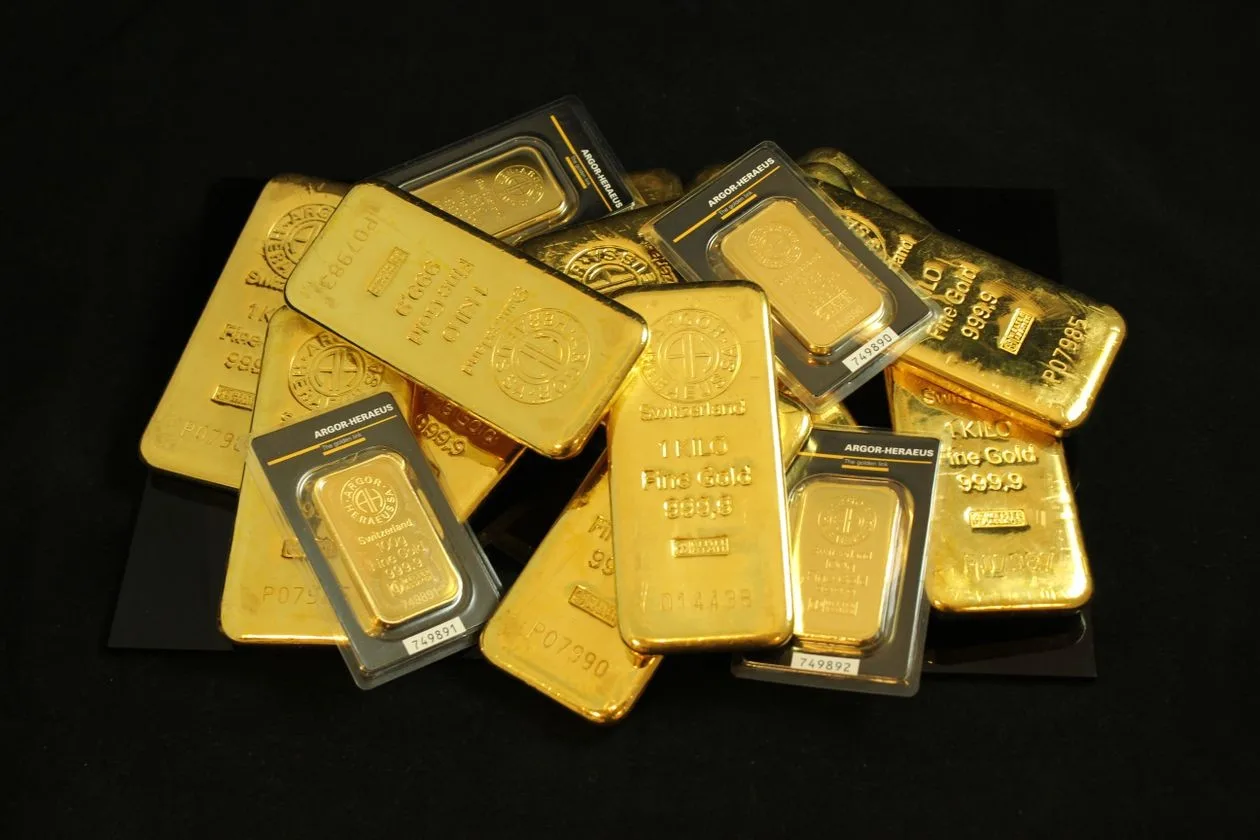
Delegates at the London Bullion Market Association's annual gathering in Sorrento, Italy predicted Tuesday that gold will reach $5,013.30 an ounce within 12 months - a roughly 20% rally from current levels near $4,165 - while silver is seen leaping to $97 from $61, Kitco and Investing.com reported. Platinum is forecast at $1,914 and palladium at $1,415.
The call comes with humility attached: last year's delegates forecast $4,980 by now, but gold instead spiked to a record $5,595 in January after 2025's 64% surge - its biggest annual gain since 1979 - then slipped about 26% to sit roughly 3% down year-to-date as the Iran war keeps rates higher for longer. Silver is down 14% this year after 2025's 147% moonshot.
Central banks keep buying gold: 39 tonnes in August
The official sector is putting money behind the thesis. Central banks bought a net 39 tonnes in August and 170 tonnes year-to-date, led by China with 20 tonnes in its 22nd straight month of buying, plus Uzbekistan and Poland, the World Gold Council reported. Poland still leads 2026 with 98 tonnes and sits at 648 tonnes of reserves, closing in on its 700-tonne target, while China's stash hit 2,387 tonnes. A UBS reserve-management survey found 65% of central banks hold gold primarily for diversification - an asset that is no one else's liability as sanctions and debt fears reshape reserves, Kitco reported.
The debasement trade vs 5.3% yields
The tension is obvious: surging bond yields raise the cost of holding non-yielding metal, yet the same deficits pushing term premia higher feed the debasement trade - investors protecting purchasing power as fiat erodes. Delegates expect continued volatility as precious metals compete with elevated rates, but see central-bank demand, sovereign-debt anxiety and geopolitical fragmentation grinding prices higher over the next year.