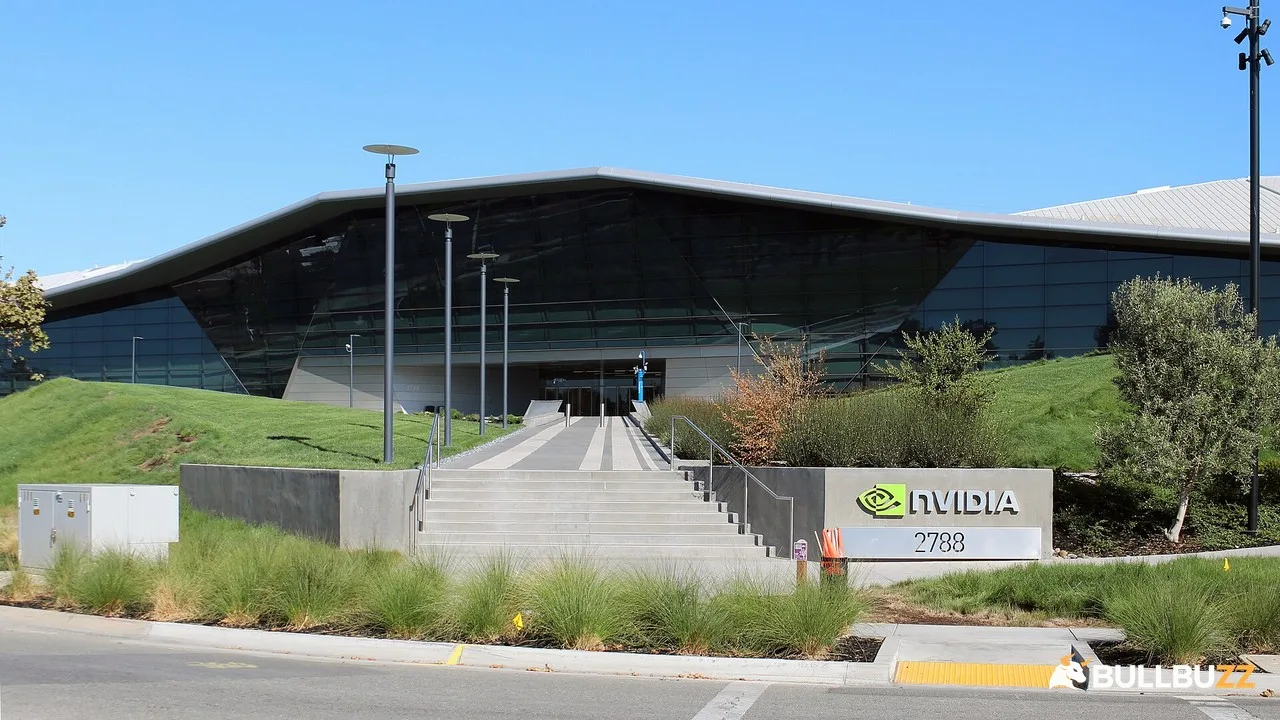
Nvidia more than doubled its quarterly revenue to $115.8 billion and beat Wall Street forecasts on every key measure, delivering its first earnings report since Jensen Huang resigned as chief executive — and guiding to an even bigger fourth quarter.
The chipmaker reported results for its fiscal third quarter, ended 25 October, shortly after the US market closed on Tuesday, 17 November — 5:20am MYT on Wednesday, 18 November. Revenue rose 103% from a year earlier and 20% from the previous quarter, comfortably above the $108 billion Nvidia had guided in August and the roughly $109.1 billion analysts expected, according to LSEG data cited by Reuters, Nvidia's earnings release showed.
Data centre sales power the Nvidia earnings beat
Data centre revenue reached $107.6 billion, up 110% from a year earlier and 21% from the previous quarter, accounting for about 93% of total sales and beating the $101.9 billion analysts had forecast, CoinDesk reported. Nvidia said its new Vera Rubin NVL72 platform has shipped, and interim chief executive Colette Kress said "Vera Rubin is off to an explosive start, our roadmap is on track and our ambition has never been greater."
Profitability held up even as memory prices soared and production ramped. GAAP earnings per share reached $2.70, up 108% from a year earlier, while adjusted earnings of $2.68 a share beat the $2.47 consensus. Net income was $65.3 billion, and gross margin came in at 74.8% on a GAAP basis and 74.9% adjusted.
$130 billion outlook tops forecasts
The outlook mattered more than the quarter itself. Nvidia guided fourth-quarter revenue to $130 billion, plus or minus 3%, above the roughly $125.3 billion Wall Street expected. The forecast covers a 14-week quarter — an additional week — and assumes no data centre compute revenue from China, where Washington has tightened export controls on advanced chips reaching Chinese firms through overseas data centres.
Gross margin is expected to ease to between 71% and 72% in the fourth quarter, down from 74.8%, as the company ramps new products. The board approved an additional $150 billion in share buybacks in September, Nvidia said, and the company returned $28.1 billion to shareholders through repurchases and dividends during the quarter. It will pay a quarterly dividend of $0.25 a share on 23 December 2026.
First report of the post-Huang era
The results were the first since Huang resigned on 12 November, ending 33 years at the top of the company he co-founded. Kress, who is also chief financial officer, hosted the earnings call at 6:00am MYT on Wednesday, and the earnings release itself did not mention Huang, Investopedia reported.
Nvidia's board is not considering bringing Huang back as chief executive, according to people familiar with the matter cited by Reuters and CNBC, and is instead focused on an investigation led by law firm Wachtell Lipton into Huang's conduct and whether it compromised national security or company secrets. The board is hiring a search firm to find a permanent chief executive, with director Harvey Jones now serving as the company's first board chair.
What the Nvidia earnings mean for markets
The beat landed after a brutal session on Wall Street. The Dow Jones Industrial Average fell 848.75 points, or 1.64%, on Tuesday, the S&P 500 dropped 1.03% to its lowest close since July, and the Nasdaq Composite ended down 0.74%, as caution ahead of the results and hawkish comments from senior Federal Reserve officials chilled sentiment. The VIX fear gauge jumped to 25.57. Asian technology stocks had already plunged on Monday as investors braced for the report.
Nvidia shares fell 0.44% in Tuesday's regular session, leaving the stock down 16% so far in 2026, then rose more than 2% in after-hours trading once the numbers were out. The same session also delivered October US retail sales, which rose 0.2% as core spending beat forecasts — read our coverage — a reminder that the American consumer is still spending even as the Fed leans towards higher rates.
The relief may prove short-lived if Wednesday's regular session tests whether guidance flattered by an extra week is enough to steady a market that has spent a month questioning the AI trade. For now, though, the world's most important chipmaker has shown demand is still outrunning every forecast, including its own.