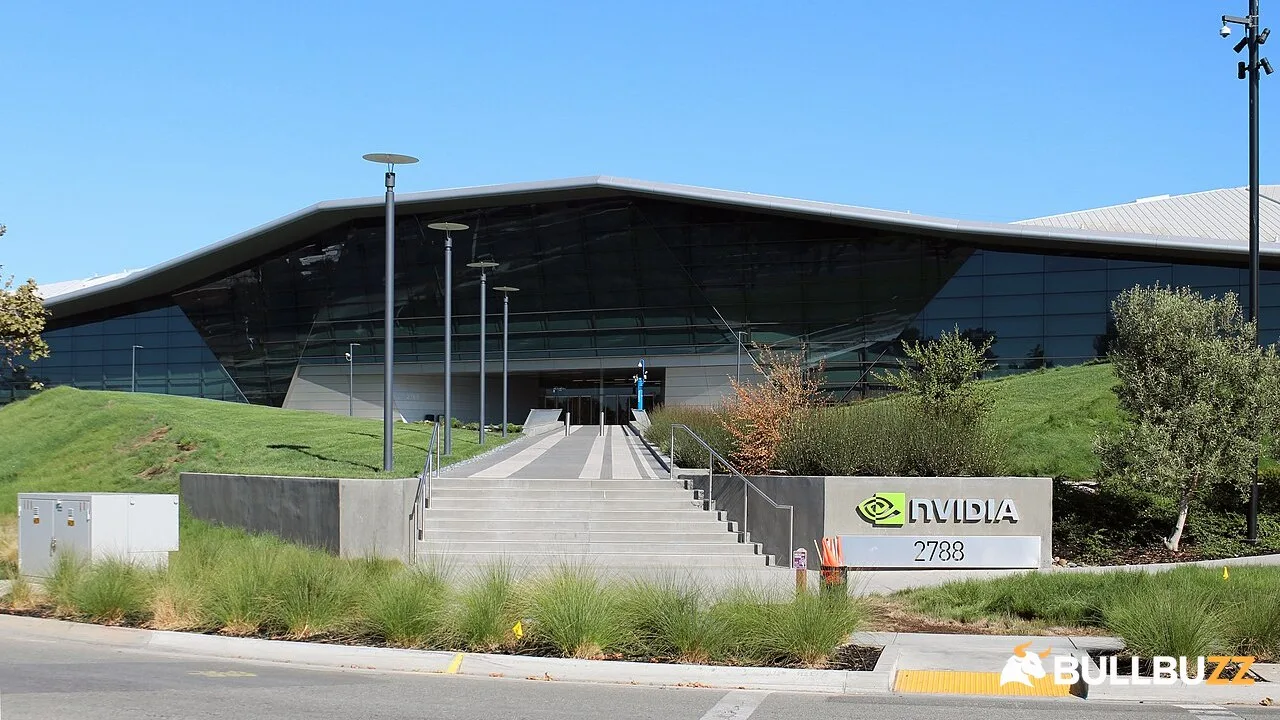
The Nvidia SEC probe has spread from Wall Street to Asia, wiping nearly half a trillion dollars off the chipmaker in a single session and forcing South Korea to prepare a market rescue fund for the first time since the 2008 financial crisis. Nvidia shares plunged 14% on Friday after Reuters reported that enforcement staff at the US Securities and Exchange Commission are examining potential accounting issues at the company, and Seoul's Kospi fell 3.3% on Monday to its lowest close since January.
The Friday rout was brutal. Nvidia closed at $125.53, down 14.01%, erasing about $491 billion of market value in one day. The Philadelphia Semiconductor Index fell 10.73%, the Nasdaq Composite dropped 5.28% and the S&P 500 slid 3.7% into correction territory. For the week, Nvidia lost 23%, its worst weekly fall since 2008, while the Nasdaq shed 10%.
The sell-off is striking because Nvidia had reported strong results only days earlier. Revenue for the quarter through October reached $115.8 billion, ahead of expectations, and the company forecast about $130 billion for the current quarter. The numbers did not matter: by Friday, the market was pricing in a regulatory crisis, not an earnings beat.
Nvidia SEC probe: what regulators are examining
Reuters, citing two people briefed on the matter, reported on Friday that SEC enforcement staff are looking at potential accounting issues at the world's most valuable chipmaker. The SEC declined to comment, and Nvidia did not respond to requests for comment. An investigation is not evidence of wrongdoing, and many SEC inquiries close without enforcement action.
The Wall Street Journal had first reported on Tuesday, 17 November, that the SEC was conducting a civil probe examining, in part, whether Nvidia's disclosures had misled investors. The accounting questions are linked to a change Nvidia made in 2025 to how it reports sales by country: revenue is now grouped by where the customer's headquarters is, rather than by billing address, so Singapore no longer appears as a separate line. The question for investigators is whether investors had a clear picture.
Pressure is building on a second front. California Attorney General Rob Bonta served Nvidia with an investigative subpoena on Thursday, 19 November, examining whether the company's actions resulted in China obtaining advanced chips. Treasury Secretary Scott Bessent has separately given Nvidia until 25 November to tell the US government whether it set up shell companies to evade export controls, a deadline tied to the wider Treasury-Fed standoff over the December rate decision.
Weekend revelations deepen the pressure on Nvidia
The probe landed on a company already in crisis. On Saturday, the Financial Times reported that Alice Huang, the businesswoman linked to former chief executive Jensen Huang, was connected to a network supplying Nvidia's advanced AI chips to China-based users, including an alleged Cambodian criminal enterprise. The Business Times reported the investigation traced links through hundreds of corporate filings, from Inspur's US unit Aivres to Megaspeed, a Singapore-based neocloud where Alice Huang was the public face.
According to trade data cited by the Financial Times, imports declared by Megaspeed's Malaysian affiliate Speedmatrix from Aivres reached about $4.6 billion between December 2024 and December 2025. Nvidia said it placed Megaspeed on its block list in June 2025 and maintains its shipments were legal and authorised by the US government. No charges have been reported against Alice Huang.
Huang resigned as president, chief executive and board member on 11 November, days after the board opened an independent investigation into whether he had been targeted by a foreign intelligence effort. Colette Kress, the chief financial officer, took over as interim chief executive. Huang is scheduled for closed-door interviews with House committees in early December.
Asia feels the fallout as Korea readies its rescue fund
Monday brought the damage to Asia. The Korea Times reported that Seoul's Kospi closed 3.31% lower at 4,708.54, its lowest finish since 13 January, after falling as much as 5% intraday. SK hynix fell 2.52% and Samsung Electronics dropped 3.06%, while the Kosdaq shed 1.58%.
South Korea's government announced on Sunday that it is preparing a 10.76 trillion won ($8.1 billion) stock market stabilisation fund, which would be its first deployment since the 2008 global financial crisis. Officials will also ease daily limits on share buybacks for three months from Tuesday and run a three-month crackdown on illegal short selling.
The rout extended across the region. Taiwan's Taiex suffered its worst week on record, falling 17.5% for the week, a heavy blow for an island whose TSMC makes Nvidia's most advanced processors. The damage followed a weekend of emergency measures across Asia, as regulators moved to steady markets before Monday's open.
What traders watch next after the Nvidia SEC probe
There are early signs of stabilisation. FXStreet reported that US equity futures were bouncing on Monday after the rout, with S&P 500 futures up 2.1% and Nasdaq 100 futures up 3%. Gold has also steadied, rebounding to $3,630 an ounce on Monday.
But the calendar offers little rest. Nvidia must answer the Treasury by 25 November, US inflation data is due on Wednesday, and American markets close on Thursday for Thanksgiving. With the probe unconfirmed, the subpoena open and the smuggling questions unresolved, traders are watching whether US chip stocks can find a floor when Wall Street reopens.