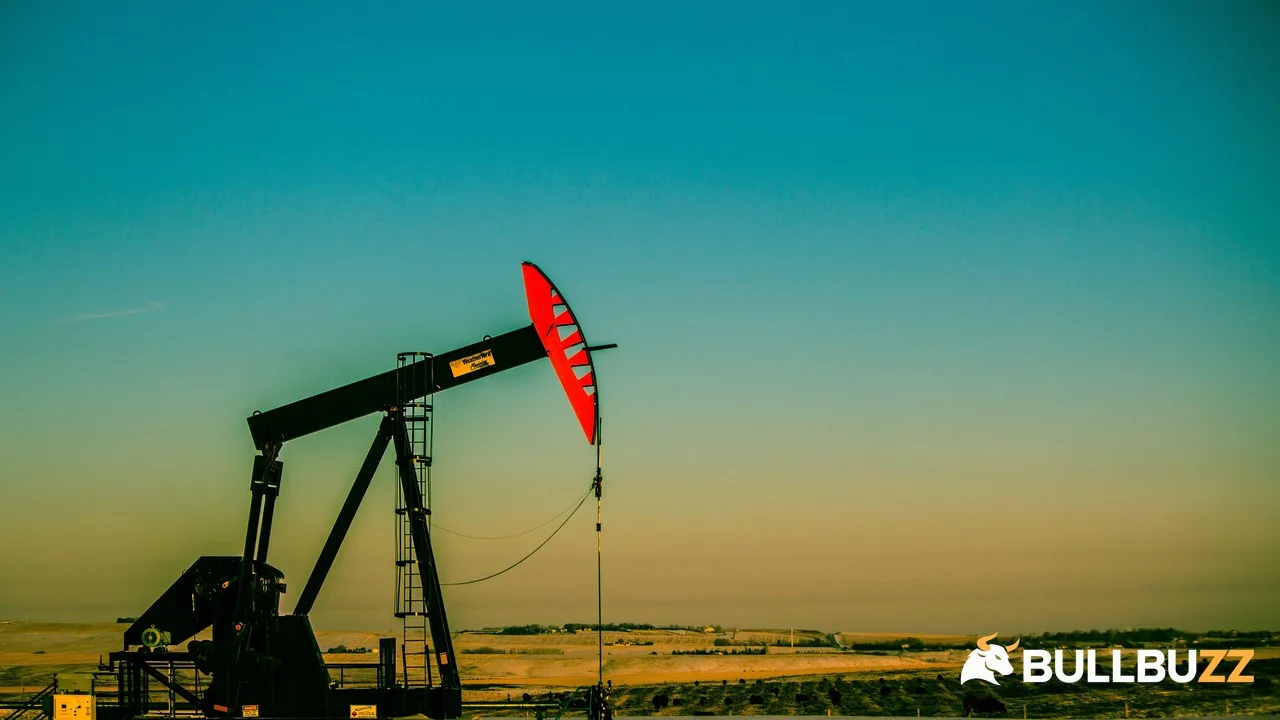
OPEC+ December oil output will stay exactly where it has been since September. Seven core producers agreed at a virtual meeting on Sunday, 1 November, to maintain their September 2026 required production levels for December 2026, OPEC said in a statement, extending a pause in output policy into the final month of the year. The decision was widely expected, but it matters because it leaves the market to price war-related supply disruption, rather than a change in the group's official targets, in the weeks before the United States midterm elections.
The seven countries are Saudi Arabia, Russia, Iraq, Kuwait, Kazakhstan, Algeria and Oman. Together, their December required production totals about 31.01 million barrels a day, unchanged from September, October and November. Saudi Arabia holds the largest allocation, at 10.478 million barrels a day, followed by Russia at 9.949 million and Iraq at 4.431 million. Kuwait is set at 2.676 million, Kazakhstan at 1.628 million, Algeria at 1.007 million and Oman at 841,000 barrels a day.
Those figures are required production levels, not a guarantee of barrels delivered. The distinction has become central to how traders read OPEC+ this year. Gulf exports were disrupted for months by the war with Iran, and while shipments have recovered in part, several members are still producing below their stated targets. The group's statement therefore settles the policy question for December without settling the supply question.
OPEC+ December oil output: a third straight hold
The December decision is the third consecutive hold. The same seven producers kept targets steady for October and November after completing, in September, the phased rollback of a 1.65 million barrel-a-day voluntary cut first agreed in 2023. Reuters reported that sources expected no further change to targets during the fourth quarter, with the group's attention shifting to negotiations over 2027 quotas.
A further layer of cuts, of about 2 million barrels a day and covering most members, remains in place through the end of 2026. That layer was agreed in 2022 and is separate from the voluntary adjustments unwound in September. Neither layer was changed on Sunday, and the statement gave no timetable for raising output beyond the levels already set.
The seven countries also reiterated their collective commitment to full conformity with the Declaration of Cooperation, the framework that coordinates production policy across the wider OPEC+ alliance. They said they would continue to hold monthly meetings to review market conditions, with the next meeting scheduled for 29 November.
Why the hold changes little for prices right now
Oil prices were already elevated before the meeting. Brent crude's December contract settled at $117.64 a barrel on Friday, its highest since April, after a tanker attack in the Strait of Hormuz sharpened fears about supply through the world's most important oil chokepoint. The January Brent contract was lower, at about $113 a barrel, a reminder that quoted oil levels differ by contract even when the direction of travel is the same.
That gap between the official target and the barrels actually moving is why the hold, on its own, is unlikely to move prices much. Traders are watching physical flows, shipping risk and insurance costs in the Gulf, not just the quota table. The Hormuz attack, Houthi strikes on Saudi energy facilities and the continuing US blockade of Iran have all kept a risk premium in crude even as some Gulf exports have recovered.
The calendar adds to the sensitivity. The US midterm elections take place on Tuesday, 3 November, and diplomats have told news agencies that Washington could weigh renewed military action against Iran after the vote. A decision of that kind would matter far more for oil supply than a quota that was already expected to stay put, which is one reason the market's attention has moved quickly past Sunday's meeting to what follows it.
The 29 November meeting is the real test
The wider OPEC+ group, all 21 members, is due to meet on 29 November, when analysts expect the 2027 production framework to be decided. Before that, the group must complete a review of each member's production capacity during the fourth quarter, Reuters reported. That review will set the baselines used to allocate quotas for 2027 and to shape plans for unwinding the remaining cuts.
The capacity review is harder than usual this year because the war has thrown Middle East expansion projects and future output estimates into doubt.
For energy-importing economies, the stakes are straightforward. Higher oil prices feed into transport and manufacturing costs and complicate the inflation outlook for central banks that are already debating whether to tighten further. The Federal Reserve held rates at 3.75% to 4% in October, with two officials favouring a rise, and markets have since priced in a higher chance of a December increase. A sustained oil premium would make that debate harder, not easier.
Sunday's decision, then, is best read as a holding position. OPEC+ has chosen not to add barrels, not to cut them, and not to signal a change before the 29 November meeting. The barrels that matter in the meantime will be decided less in a video conference than in the Strait of Hormuz, in Gulf export terminals, and in Washington after Tuesday's vote.