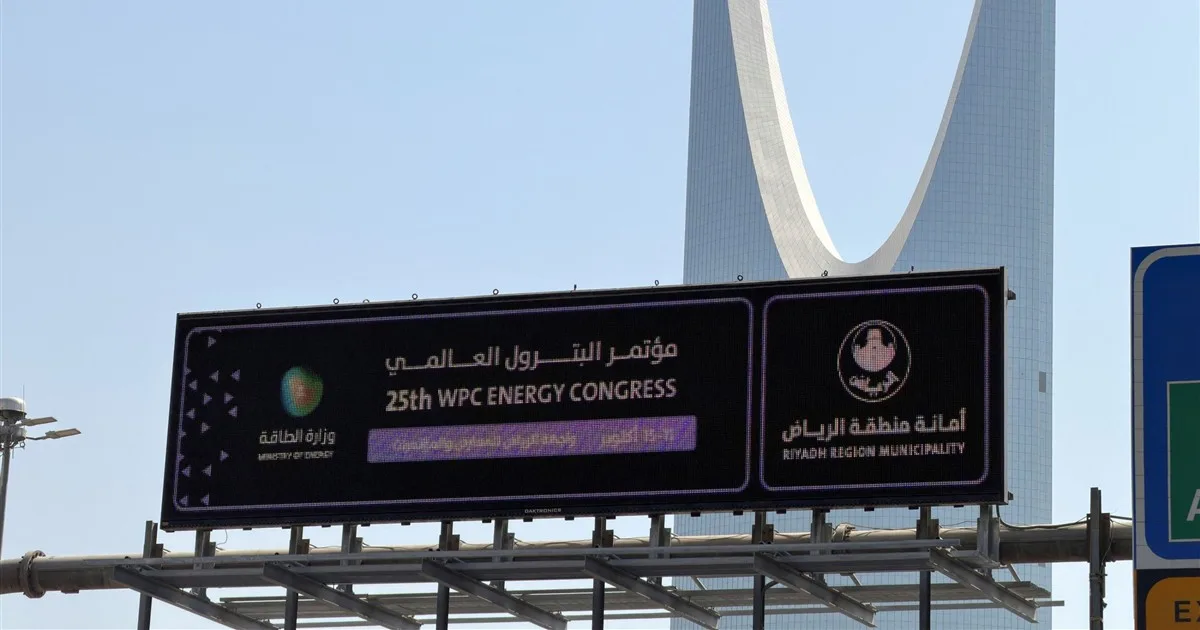
Top oil CEOs were missing from the revised agenda for Riyadh's WPC Energy Congress on Monday, 12 October, after airport attacks disrupted travel to the Saudi capital. The chief executives of ExxonMobil, TotalEnergies, Shell, Chevron and BP had been expected at the summit, according to Reuters' report.
BP attributed its inability to attend in person to travel disruption. Shell declined to comment, and the other three companies had not immediately answered Reuters' questions. The revised programme does not establish a coordinated boycott or a common reason for all five absences.
The congress continued as Saudi officials defended the kingdom's capacity to keep energy flowing. The new development is the disruption to executive participation, following BullBuzz's coverage of Saudi airport security concerns.
Which Top Oil CEOs Were Missing?
Reuters identified five companies whose chiefs no longer appeared on the programme released early Monday:
- ExxonMobil
- TotalEnergies
- Shell
- Chevron
- BP
The company responses differ. BP's explanation addresses its own travel arrangements; it cannot be applied to the remaining four executives. Absence from a speaking agenda also does not, by itself, show that every employee or delegation from those companies stayed away.
Saudi Arabia Keeps the Congress Running
Saudi Energy Minister Prince Abdulaziz bin Salman opened proceedings on Monday. Saudi Gazette reported that he reaffirmed international supply commitments and emphasised investment in spare capacity, storage, alternative export routes and domestic capabilities.
The event runs through 15 October, bringing together officials, executives and investors. Continuing the programme keeps a forum for energy discussions open, while the missing speakers leave a visible gap in its planned corporate lineup.
Aramco Puts Supply Resilience in Focus
Aramco chief executive Amin Nasser spoke at the congress on Monday. In his published remarks, he said disrupted Hormuz trade and attacks on regional infrastructure were putting pressure on the energy chain.
Nasser said rebuilding inventories while meeting demand could take up to two years. That is Aramco's assessment, rather than an independently established recovery timetable. He also said the company was studying additional crude export routes and expanding storage abroad, while its Saudi energy system continued to operate reliably.
The distinction matters for markets: executive travel disruption and oil-production interruption are separate events. The summit agenda alone provides no evidence of a new loss of crude output.
Why Malaysian Readers Should Watch
For Malaysian energy investors, the useful questions are whether physical deliveries change, whether transport costs rise and whether producers revise investment plans. A missed conference appearance answers none of those questions on its own.
BullBuzz's reporting on Petronas's dividend and investment outlook provides the domestic context. Gulf supply developments also sit alongside the competing signals in the Russia-Ukraine energy-ceasefire debate.
What Happens Next?
Updated speaker schedules and direct company statements will establish whether participation changes later in the congress. Airline notices and airport reopening decisions will show whether travel access improves. For energy markets, verified export volumes and operating updates from producers carry more weight than the number of executives on a stage.