TSMC profit jumped 68.7% to a record NT$763.06 billion in the third quarter as demand for leading-edge chips accelerated and the company began a steep production ramp for its 2-nanometer technology.
Taiwan Semiconductor Manufacturing Co reported revenue of NT$1.494 trillion, up 50.9% from a year earlier. In US-dollar terms, quarterly revenue reached $46.72 billion. Both profit and revenue exceeded the levels recorded in the previous quarter.
The result offers one of the clearest readings yet on spending behind the artificial-intelligence buildout. BullBuzz's report on ASML's €5 billion quarterly profit showed equipment customers planning years ahead; TSMC's figures now show how quickly advanced wafer demand is translating into foundry revenue.
TSMC Profit and Revenue Set New Quarterly Records
TSMC's official earnings release showed diluted earnings per share rising 68.7% to NT$29.43, equivalent to US$4.60 per American depositary receipt. Net income increased 8% from the second quarter, while revenue rose 17.6% in Taiwan-dollar terms.
Bloomberg reported that the profit result exceeded the average analyst estimate. The comparison matters because expectations for AI infrastructure have already risen sharply, leaving chipmakers with a high bar even when demand remains strong.
Profitability stayed elevated but did not improve on every measure. Gross margin was 66.4%, down from 67.7% in the second quarter. Operating margin was 58.7%, while net profit margin reached 51.1%.
2nm Chips Begin Their Production Ramp
Two-nanometer chips accounted for 8% of TSMC's wafer revenue during the quarter. Three-nanometer technology contributed 33%, while 5nm accounted for 28%. Processes at 7nm or more advanced represented 79% of total wafer revenue.
Those shares show that TSMC's growth is increasingly concentrated in its newest manufacturing nodes. The company said its fourth-quarter business should benefit from continued demand for leading-edge technology, including the steep ramp-up of 2nm production.
A smaller process node can improve transistor density, performance and energy efficiency, but the commercial result still depends on product design, manufacturing yields and customer volumes. An 8% revenue contribution establishes that 2nm shipments have begun to matter; it does not show that every major customer has completed its transition.
TSMC Guides for a Stronger Fourth Quarter
Management expects fourth-quarter revenue of US$52.3 billion to US$54.3 billion, above the third quarter's US$46.72 billion. It projects gross margin between 65% and 67% and operating margin between 56.5% and 58.5%, using an exchange-rate assumption of NT$31.8 to the US dollar.
Focus Taiwan reported that the July-to-September profit was a new quarterly high, supported by global AI demand. The guidance points to further revenue growth, although the projected margin ranges also show that the cost of ramping advanced production remains part of the equation.
Why the Result Matters Across Asia
TSMC manufactures advanced processors for many of the world's largest chip designers. Its order flow therefore provides a direct signal from the infrastructure layer beneath AI services, cloud platforms and data centres.
Malaysia participates in the same supply chain through semiconductor assembly, testing, equipment and data-centre investment. BullBuzz recently covered Malaysia's 27 approved data-centre projects. TSMC's results strengthen the demand side of that story, while electricity supply, project completion and financing still determine how much approved investment becomes operating capacity.
The earnings also arrived during a broad technology sell-off. Associated Press reported sharp declines in South Korean, Japanese and Taiwanese markets after hotter US inflation pressured rate expectations. BullBuzz's US inflation coverage explains that separate valuation pressure.
Strong operating results and falling technology shares can occur at the same time. Earnings measure company performance; market prices also reflect interest rates, positioning and the growth investors had already assumed.
What Investors Should Watch Next
- 2nm mix: whether the new node's share of wafer revenue rises without a larger-than-expected margin penalty.
- Fourth-quarter sales: delivery against the US$52.3 billion to US$54.3 billion guidance range.
- Advanced-node demand: whether AI customers sustain orders while technology valuations face higher interest-rate expectations.
- Regional supply chains: equipment, packaging and data-centre investment across Taiwan and Southeast Asia.
TSMC's third-quarter figures confirm that leading-edge chip demand remains powerful. The next test is whether the 2nm ramp can carry that momentum into a larger fourth quarter while preserving the margins investors have come to expect.
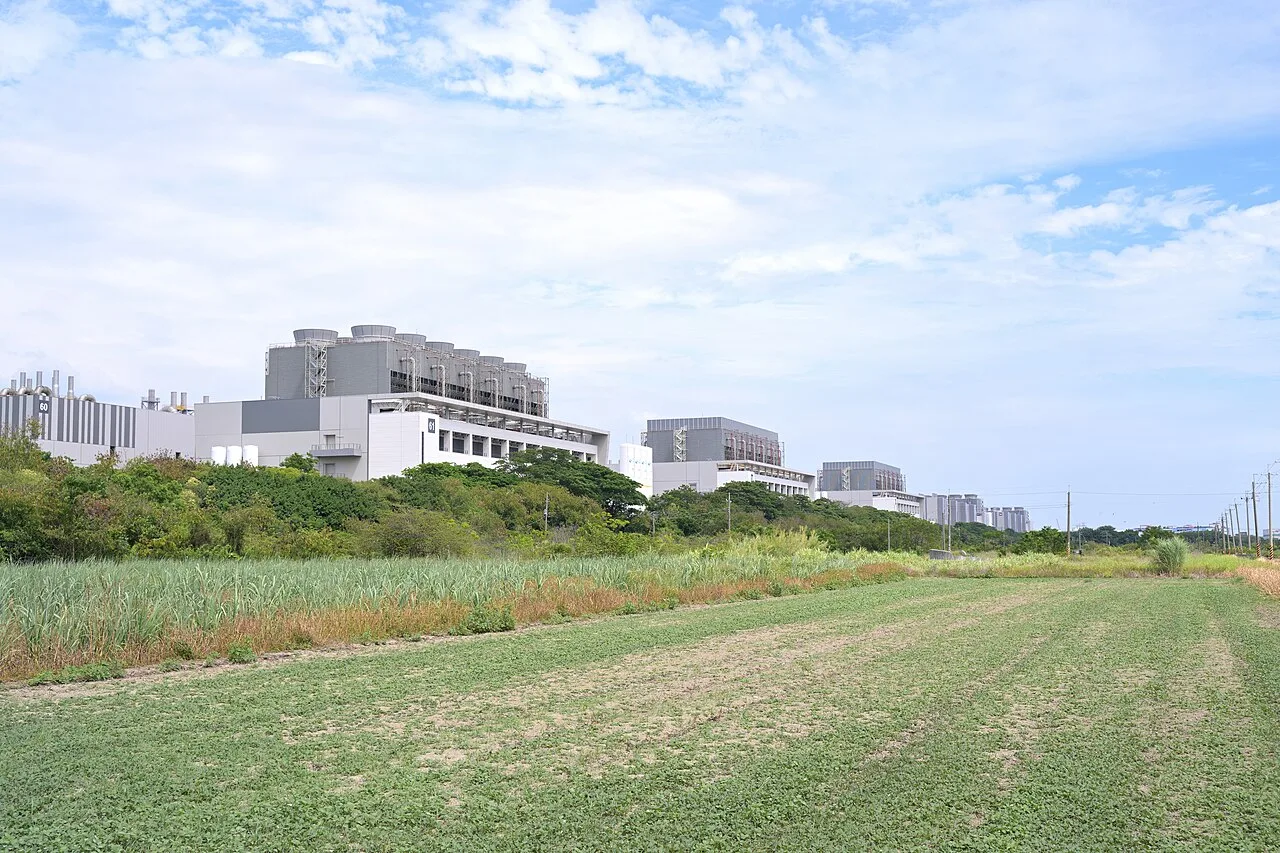
Image note: TSMC Fab 18 in Southern Taiwan Science Park, photographed on May 27, 2025. Archive photograph, not an image of the earnings announcement. Photo by 4300streetcar via Wikimedia Commons, used under CC BY 4.0; cropped for publication and adapted for the social card.