U.S. inflation accelerated to 3.7% in September, exceeding forecasts and pulling major stock indexes lower as traders raised the probability of another Federal Reserve rate increase this month. The hotter report pushed Treasury yields higher and renewed pressure on technology, banking and other rate-sensitive shares.
The U.S. Bureau of Labor Statistics said the consumer price index rose 0.6% from August, the largest monthly increase in five months. The annual rate climbed from 3.4% to 3.7%, above the 3.6% consensus cited by market reports.
Wall Street reacted quickly. At 10:09 a.m. Eastern time, the S&P 500 was down 0.60%, the Nasdaq Composite had lost 0.78% and the Dow Jones Industrial Average was 0.06% lower, according to Reuters market data.
What Pushed US Inflation to 3.7%
Energy was the clearest driver. Gasoline prices jumped 9.1% in September and accounted for more than half of the overall monthly CPI increase. The broader energy index rose 5.2% during the month and was 20.4% higher than a year earlier.
Shelter costs rose 0.4% after a 0.3% increase in August. Food prices were unchanged overall, with grocery prices down 0.1% while food away from home increased 0.2%.
The pressure was not confined to fuel. Core CPI, which excludes food and energy, rose 0.3% for the month and 2.6% from a year earlier. That annual core rate increased from 2.4% in August. Recreation, used vehicles, education, airline fares, medical care and apparel were among the categories that became more expensive.
The data therefore gave policymakers two concerns: a sharp energy shock and evidence that price increases were spreading through services and goods beyond energy.
Rate-Hike Bets Jump After the CPI Surprise
Traders increased the implied chance of a quarter-point Fed increase at the October 27-28 meeting to 46%, from 21.6% before the report, according to LSEG data cited by Reuters. The move does not make a rate increase certain, but it changes the risk facing stocks, bonds and currencies.
The Fed lifted its policy rate in September for the first time in three years, taking the target range to 3.75%-4.00%. Another increase would raise borrowing costs further for households and businesses already dealing with expensive mortgages and corporate financing.
The Associated Press reported that some Fed officials still favour waiting before acting again. Markets are weighing the possibility of an October move against the chance that policymakers hold this month and consider another increase in December.
Why Stocks Fell After the Inflation Report
Higher inflation can hurt equity valuations in several ways. It may keep interest rates elevated, raise companies' input costs and reduce the present value of future earnings. Technology shares are particularly sensitive because much of their valuation depends on profits expected years ahead.
The S&P 500 technology sector traded near a two-week low. Nvidia fell 1.7%, Intel dropped 2.6% and Micron lost 1% in early trading. The Nasdaq therefore underperformed the Dow as investors reduced exposure to growth shares.
Banks faced a separate earnings shock alongside the CPI report. Bank of America fell sharply after setting aside US$1.2 billion for regulatory penalties. BullBuzz's report on the Bank of America money-laundering penalty explains why the charge weighed on the lender's quarterly result.
Semiconductor stocks were also digesting fresh corporate guidance. BullBuzz covered ASML's €5 billion quarterly profit and 2030 order outlook, which showed how long-term AI investment can remain strong even as higher rates pressure near-term valuations.
What the CPI Report Means for Gold, Bonds and the Dollar
A stronger rate outlook usually supports the dollar and lifts short-term Treasury yields because investors demand compensation for tighter monetary policy. Rising yields can pressure gold, which does not pay interest, although geopolitical risk and inflation demand can offset that effect.
BullBuzz's morning analysis noted that Malaysia's gold price fell before the U.S. CPI release. The confirmed 3.7% reading now gives gold traders a clearer test: whether higher hike odds outweigh demand for protection against persistent inflation.
The next major U.S. inflation release is the producer price index on October 15. Investors will compare it with Wednesday's consumer data to judge whether pipeline costs are likely to keep pressure on prices in the months ahead.
What Markets Will Watch Next
Attention now turns to Fed communication, the October policy meeting and incoming data on producer prices, retail sales and employment. Traders will also watch whether gasoline prices retreat after their September surge.
The 3.7% headline confirms that inflation is moving away from the Fed's 2% goal rather than toward it. Yet the decision facing policymakers remains finely balanced because part of the increase came from energy supply shocks that interest rates cannot directly solve.
For markets, the immediate message is clearer: the path to lower rates has become more difficult, and every new inflation reading carries greater power to move stocks, bonds, gold and the dollar.
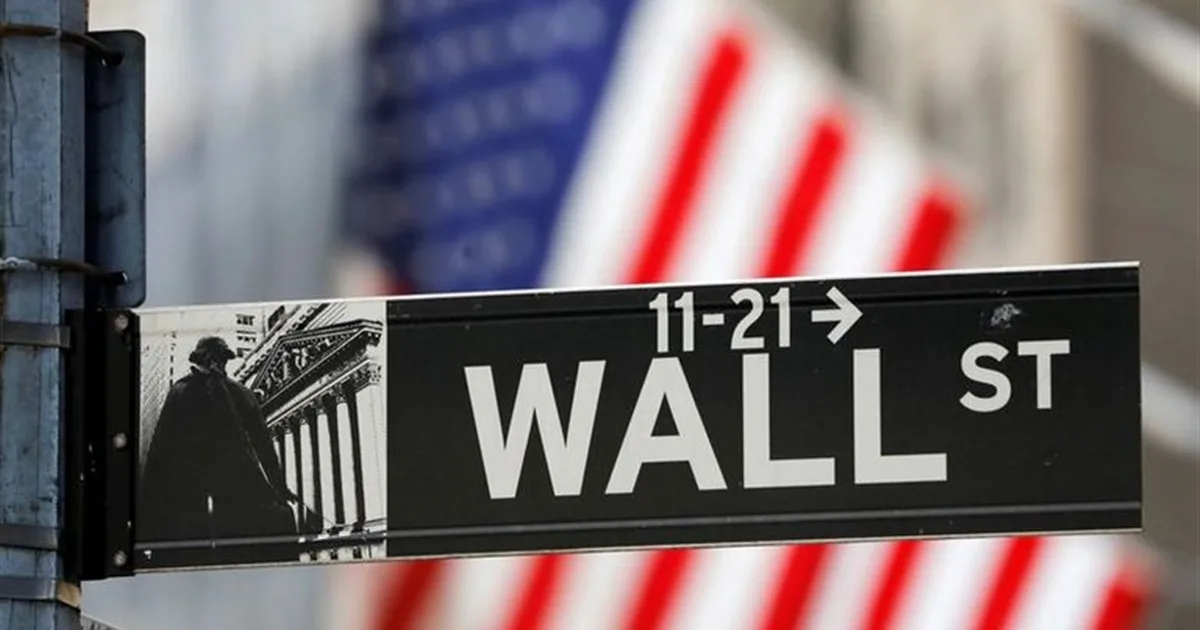
Photo: Wall Street sign near the New York Stock Exchange in an archival Reuters image from April 2025. The image does not show the October 2026 market session. Reuters. Cropped for display.