A United Nations climate fund has provisionally set aside US$21.6 million for Nepal’s recovery from the August Bhote Koshi floods, its first country allocation. The amount is small beside Nepal’s estimated US$4.7 billion recovery and reconstruction requirement, leaving a gap of more than US$4.6 billion even before longer-term resilience costs.
The Fund for Responding to Loss and Damage (FRLD) said its board made the decision at an extraordinary meeting on 22 October. The money has been provisionally reserved; it is not evidence that the full amount has already reached affected communities. Nepal can submit a funding request under an expedited procedure, outside the fund’s standard submission window.
The scale of the shortfall makes this more than a relief announcement. The flood damaged homes, roads, bridges and hydropower assets, while the first allocation tests whether a multilateral climate-finance mechanism can move money quickly after a disaster.
Nepal’s Recovery Bill Is Far Larger Than the First Allocation
Nepal’s government estimates total recovery and reconstruction needs at US$4.7 billion. A UK House of Commons Library briefing, drawing on the government’s September rapid damage and needs assessment, puts the flood’s direct damage at about US$1.81 billion and economic losses at US$883 million, for roughly US$2.7 billion combined. Recovery needs are higher because they include rebuilding and resilience measures.
UNDP records damage to 13 hydropower projects, around 70 kilometres of roads and 80 bridges. Restoring those links matters for electricity supply, transport, market access and the ability of remote communities to receive assistance. The UN Development Programme says more than 150 kilometres of telecommunications fibre were also affected.
Nepal’s disaster authority reported 1,455 confirmed deaths and 5,285 people missing in its latest tally cited by the parliamentary briefing. Those figures are distinct from estimates of people displaced or infrastructure damage and may change as authorities update records.
Why the Fund’s First Decision Matters
The FRLD was created to help vulnerable developing countries address loss and damage from climate-related disasters, as described in the fund’s official updates. Its board’s decision is a first: the fund’s official announcement calls the Nepal allocation its first provisional set-aside. The board also agreed to let Nepal apply through the Barbados Implementation Modalities, an expedited route outside the regular call period.
That procedural change is important because a reserve is only the start of the funding path. Nepal still has to submit a request, and the fund must process it before support can be implemented. The FRLD’s announcement describes the amount as provisional, so it should not be reported as cash already disbursed or as a completed reconstruction package.
Reuters reported that Nepal expects roughly US$20 million from the fund, while the FRLD’s board announcement gives the more precise provisional amount of US$21.6 million. The difference reflects rounding in the news report, not separate allocations. The official fund record is the primary reference for the amount and decision; the Associated Press independently reports the first allocation and recovery gap.
Funding Is Only One Constraint on Rebuilding
Money alone cannot determine where it is safe to rebuild. UNDP’s October account describes households still seeking shelter, income and access to damaged communities. It says local authorities need debris mapping, safer settlement decisions and support to restore services and livelihoods. These needs unfold over months and years, while emergency grants generally cover only part of the cost.
Reconstruction choices will also affect Nepal’s power system and local businesses. Hydropower damage can reduce generating capacity or delay projects, while damaged roads and bridges can interrupt supply chains and tourism. The government’s needs estimate includes resilience measures, not just replacing damaged assets in the same locations.
BullBuzz has covered how infrastructure costs are being assigned in Malaysia’s data-centre power-grid upgrades and how public finances shape government budget choices. Nepal’s case adds a climate-disaster lens: a single event can leave governments balancing immediate relief against expensive, safer reconstruction.
What to Watch Next
The next concrete test is whether Nepal’s funding request is approved, when resources can be released and which recovery priorities they will support. The FRLD board is due to consider further requests at a later meeting, but no additional Nepal amount is confirmed in its announcement.
For investors and policymakers, the key indicators are the pace of disbursement, restoration of affected hydropower and transport links, and whether recovery financing reaches local authorities and households. The US$21.6 million decision is a meaningful precedent for the fund; it remains a small first step against Nepal’s reconstruction bill.
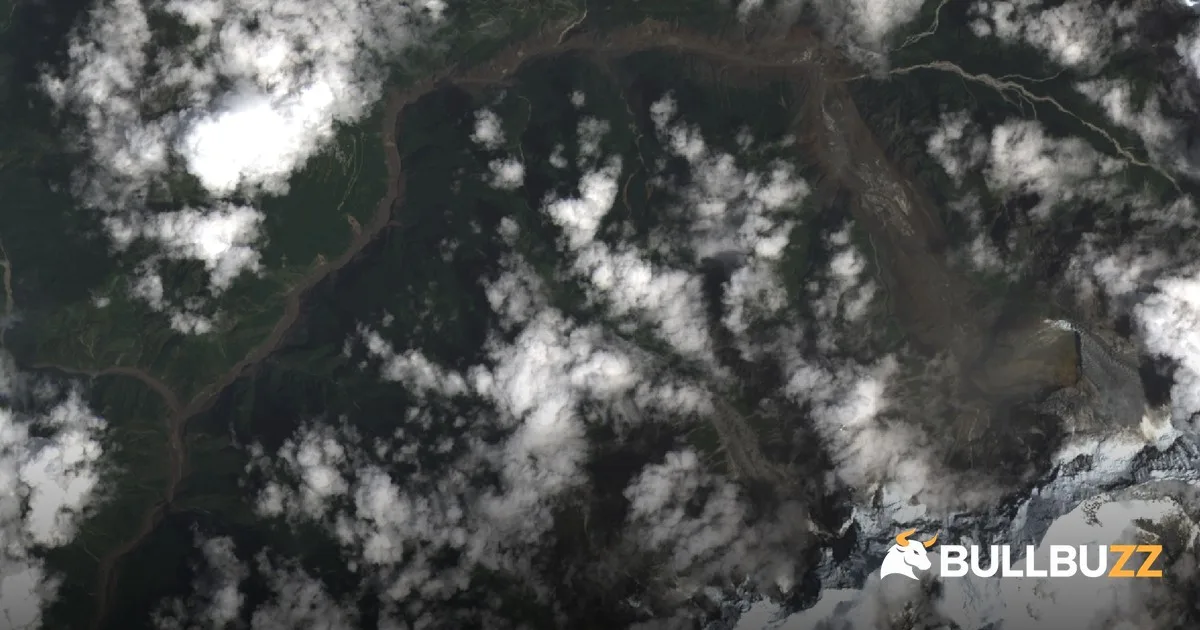
The accompanying Landsat 9 satellite image shows the aftermath of the 26 August 2026 Nepal floods. It is an event-specific satellite view, not a photograph of the fund’s decision or a reconstruction site.