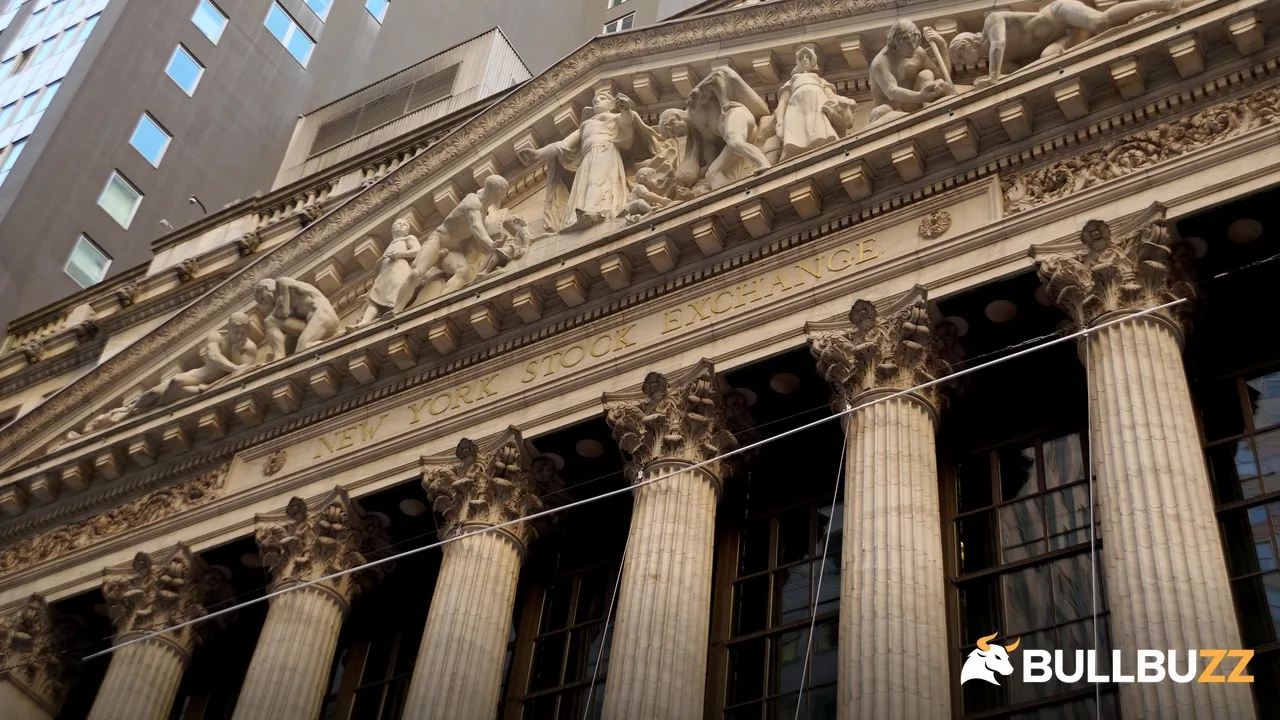
US employers added 165,000 jobs in October, more than two and a half times the 65,000 economists had expected, while the unemployment rate slipped to 4.1%, the Bureau of Labor Statistics reported on Friday — a result that steadied Wall Street after its worst sell-off in more than a year and pushed bets on a December Federal Reserve rate rise sharply higher.
The report, released at 9:30pm MYT on Friday, showed a labour market in considerably better shape than forecasters had assumed after a weak September. Professional and business services led the hiring, adding 70,000 jobs — well above its average monthly gain of 15,000 over the past year — while health care added 19,000 and transportation and warehousing also grew. Manufacturing added 19,000 jobs.
The headline beat was the widest surprise in months. Estimates in a Reuters poll had ranged from 35,000 to 125,000, and even the top of that range fell well short of the actual figure, while the Dow Jones estimate had been lower still, at 59,000. BullBuzz had previewed the release at the 65,000 consensus, with traders braced for a weak number after September's initially soft reading.
US Jobs Report: Hiring Beats Forecasts Across the Board
The details were stronger than the headline alone. The Bureau of Labor Statistics revised August payrolls up by 53,000, from 133,000 to 186,000, and September's gain up by 31,000, from 29,000 to 60,000 — a combined 84,000 more jobs than previously reported. Hiring has now averaged 137,000 jobs a month over the past three months, against a 12-month average of just 48,000 before October.
Pay growth also came in hot. Average hourly earnings rose 0.4% in the month to $38.00, and 3.1% from a year earlier, both beating forecasts of 0.3% for the month and 2.9% for the year. The labour force participation rate held at 61.9%, and the unemployment rate has now stayed in a narrow range of 4.1% to 4.3% since March, remaining below 5% for 62 straight months, with 7.1 million people unemployed.
There were softer notes beneath the headline. The number of people working part time for economic reasons rose by 339,000 to 4.8 million, while long-term unemployment held at 2.0 million, or 27.6% of all unemployed people. The average stretch of unemployment rose to 27 weeks, the highest since the end of 2021, and the broader U-6 jobless rate, which includes part-time workers who want full-time work, climbed to 7.9% from 7.6%.
Markets Rebound as Fed Hike Bets Climb
Wall Street bounced back on the data. The S&P 500 rose 0.9% to 7,421, clawing back about a fifth of Thursday's 4.4% slide, while the Nasdaq 100 jumped 2% to 27,160 and the Dow Jones Industrial Average edged up 57 points to 51,580. The CBOE Volatility Index fell 16% to 23.67 after Thursday's near-70% spike. The rebound came a day after the Nasdaq 100 plunged 6.4% in its worst day since 2020, when AI and semiconductor shares dragged the market down.
The strong report gives the Federal Reserve more room to focus on inflation, and traders moved quickly to price it in. The odds of the Fed raising interest rates in December rose to about 73% after the jobs data, according to the CME FedWatch tool, Barron's reported, with the Fed's final policy meeting of the year set for 8–9 December. San Francisco Fed President Mary Daly said the labour market remains solid and the report was good news that gives the Fed room to continue fighting inflation. The Bank of England raised rates to 4% this week as well, underlining how central banks on both sides of the Atlantic are leaning against price pressures.
The dollar strengthened on the data, with the euro falling below 1.115 against the greenback, while the two-year Treasury yield climbed to 4.51%. Gold fell about 1% to $4,072 an ounce, a day after Goldman Sachs cut its gold price target to $4,150 for 2026. Bitcoin was little changed near $75,900.
What Traders Watch Next
Attention now turns to October consumer inflation data, due at 9:30pm MYT on Tuesday, with the Federal Reserve Bank of Cleveland projecting the annual rate at 3.7%. A hot reading would strengthen the case for a December rise; a weak one could deepen the market's nerves instead.
The University of Michigan's preliminary consumer sentiment index rose to 51 in November from 48 in October, beating expectations, although one-year inflation expectations eased to 4.3% from 4.7%. For now, the jobs report has answered the week's biggest question — whether the US economy was losing steam — with a firm no. Whether the relief lasts will depend on what Tuesday's inflation data says, and on whether buyers step back in after the sharpest two-day swing Wall Street has seen in months.