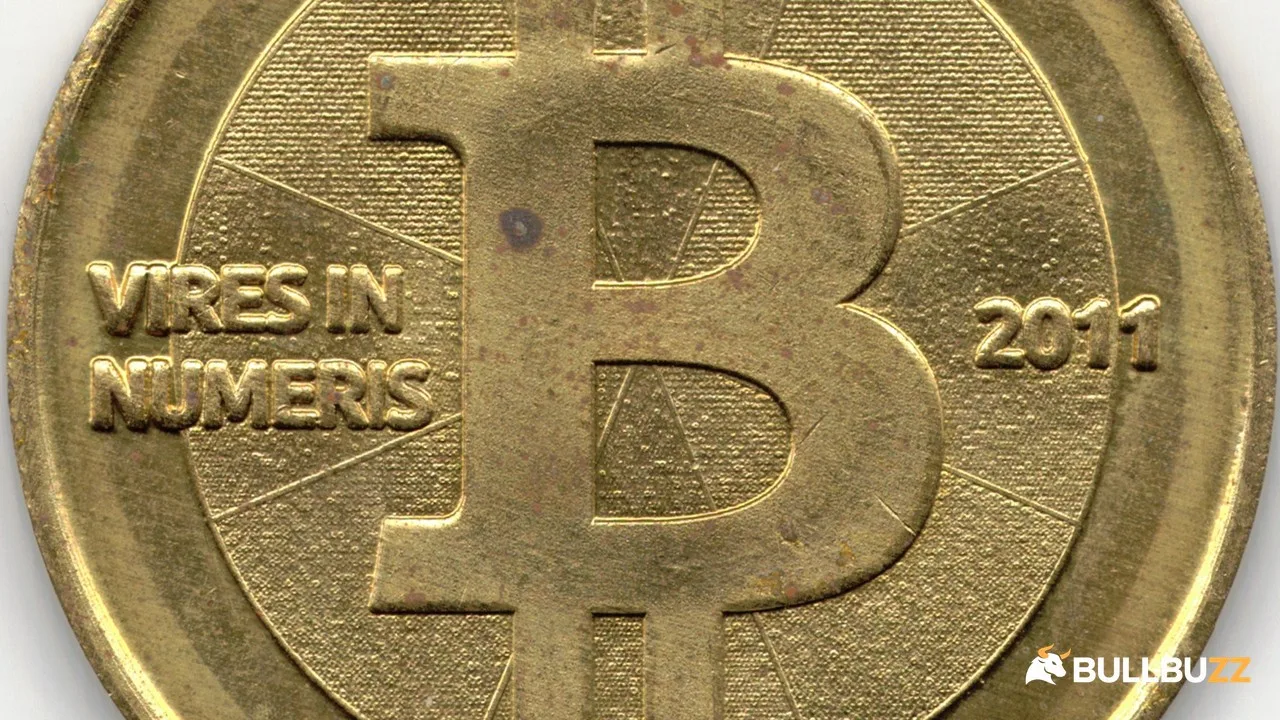
Bitcoin price climbed back above $60,000 on Thursday, recovering from a sharp slide to $57,500 after hotter-than-expected US inflation data rattled markets and reinforced expectations of a Federal Reserve rate hike next month.
The world’s largest cryptocurrency traded near $60,500 in early Asian trading, CoinDesk reported, holding Wednesday’s rebound with US markets closed for Thanksgiving. The recovery came hours after the sell-off began, when the US inflation figures landed at 9:30pm MYT on Wednesday and sent both crypto and equities sharply lower before buyers stepped in.
Core personal consumption expenditures — the Federal Reserve’s preferred inflation gauge — rose 3.3% from a year earlier in October, above the 3.2% forecast and its highest since November 2023. Headline inflation matched expectations at 3.8%. Dow Jones Newswires reported that the figures all but confirmed a quarter-point Fed hike at its December 8–9 meeting, and traders are now pricing a further move in January. Higher rates tend to weigh on assets that pay no yield, including cryptocurrencies and gold.
The inflation shock landed on the same day Washington proposed sweeping new tariffs on 14 trading partners, adding to the risk-off mood. The tariff plan, which includes an 18% levy on Malaysian goods, had already put Asian markets on edge, and the hot inflation print gave traders a second reason to sell. Wall Street then staged a late recovery as bargain hunters bought the dip, and bitcoin followed the same path.
Bitcoin price: the $60,000 line is back in focus
The rebound was powered in part by forced buying. As the price recovered, short positions were squeezed out of the market: about $245 million of bitcoin positions were liquidated over 24 hours, with shorts making up 57.2% of the total, CoinDesk reported, while total crypto liquidations reached $618 million. Bitcoin futures open interest rose 5.1% as the price climbed, a sign that new positions were being opened rather than simply unwinding old ones.
The riskiest corners of the market rebounded hardest. The CoinDesk DeFi Select Index added 6.3% over 24 hours, about double bitcoin’s 3.2% advance, and 93 of the 100 tokens in the CoinDesk 100 rose. Ether traded near $1,690, up slightly on the day, after falling about twice as hard as bitcoin during Wednesday’s early losses.
Bitcoin has been moving in step with the equities sell-off, and that link is now unusually tight. Its correlation with the S&P 500 spiked at the start of November and remains at its highest all year, according to Citi analysis cited by Dow Jones Newswires. The Nasdaq Composite reversed a plunge of as much as 4.6% on Wednesday to close 0.62% lower, and Asian technology markets staged a rebound on Thursday, with bitcoin following suit.
ETF investors keep selling as November outflows hit a record
Even as the price recovered, institutional investors kept pulling money out. US spot bitcoin ETFs lost $453 million on Wednesday, their seventh straight session of outflows and the fourth-largest of the month, according to Farside Investors data cited by CoinDesk. BlackRock’s IBIT accounted for $329.7 million of the total.
November’s outflows now stand at about $5.39 billion, already the largest monthly withdrawal since the funds launched, and the funds’ net assets have fallen to $72.03 billion from $104.27 billion on October 29. Bitcoin fell below $60,000 earlier in the week as the selling deepened, and the latest rebound leaves the token still roughly 52% below its record high of $126,198, set on October 6, 2025, according to crypto.news price data.
$7 billion options expiry looms on Friday
The next test comes quickly. Friday brings a shortened US session and about $7 billion of bitcoin options expiries, with the most-traded contracts over the past day all puts, led by the $57,000 strike expiring Friday. Galaxy Digital research head Alex Thorn said he is watching whether bitcoin’s June lows hold on a closing basis, at $58,525 on a daily close and $59,517 on a weekly close.
Sentiment remains deeply fearful. CoinMarketCap’s Fear and Greed Index stood at 10 on Thursday, in “extreme fear” territory, up only slightly from 8 the day before. With the Fed meeting less than two weeks away and the options expiry landing first, traders will be watching whether the $60,000 level holds as support — or whether the rebound was only a pause in a much longer slide.