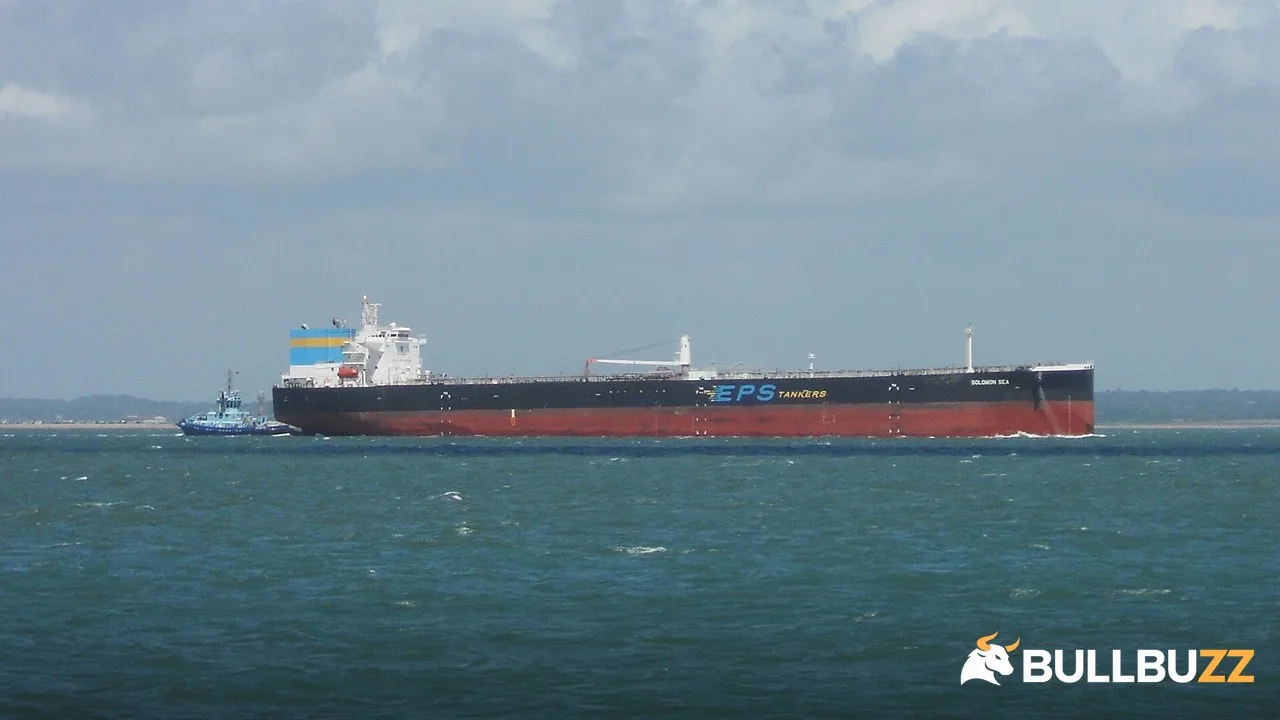
Brent crude climbed toward $100 a barrel on Friday as fresh attacks on tankers in the Strait of Hormuz renewed fears over oil supplies, reversing part of a brutal weekly slide that had wiped more than a tenth off prices since the US midterm elections.
Brent crude futures for January rose $1.57, or 1.6%, to $99.86 a barrel in early Asian trading on Friday, Reuters reported, while US West Texas Intermediate climbed $1.10, or 1.22%, to $91.62. Both benchmarks were heading for a second consecutive daily gain after rebounding from near two-month lows.
The recovery followed a sharp sell-off earlier in the week. Brent plunged more than 8% on Wednesday alone after Democrats swept both chambers of Congress in Tuesday’s midterm elections, as traders bet the result would push Washington toward a negotiated end to the war with Iran, as BullBuzz reported. Even after Friday’s rise, Brent remained on track for a weekly drop of about 12%, with WTI down 12.1% on the week, according to Reuters.
Brent Crude Price Rebounds After Wednesday’s 8% Plunge
Thursday brought the first sign of a floor. Brent settled $3.67 higher, or 3.88%, at $98.29 a barrel, its first gain in four sessions, while WTI rose $2.40, or 2.72%, to $90.52. The rebound gathered pace on Friday morning as reports of new tanker attacks emerged, with Brent trading at $99.83 in morning trade, The Hindu BusinessLine reported.
The turnaround underlines how quickly sentiment has swung in oil this week. Traders spent the first half of the week pricing in a peace dividend, then spent the second half pricing in the risk that the shipping lanes carrying the region’s crude stay dangerous. For oil traders, the Strait of Hormuz is the hinge: about a fifth of global petroleum liquids consumption passes through the narrow waterway, according to the US Energy Information Administration, so any threat to transit there feeds straight into prices.
Tanker Attacks Put Strait of Hormuz Back in Focus
Iran said on Thursday that three more tankers had been attacked in the Strait of Hormuz, and data from the UK Maritime Trade Operations agency suggested attacks on tankers were still running at close to a record pace, Reuters reported. At least five vessels have reported incidents in the Gulf since Sunday, according to UKMTO.
Iran’s Islamic Revolutionary Guard Corps said two oil tankers and a tugboat caught fire in separate incidents in the strait after attempting to navigate unauthorised routes, The Hindu BusinessLine reported. UKMTO separately verified a projectile strike on a tanker about 50 nautical miles north of Qatar late on Wednesday. The agency recorded 35 vessels hit in October, the highest monthly total of the war.
Flows through the strait remained below 60% of capacity, ANZ strategist Daniel Hynes estimated, FXEmpire reported. Saudi Arabia also issued warnings about potential danger near its Yanbu oil export hub on the Red Sea coast, amid threats from Houthi forces, adding a second front to traders’ supply worries.
What Oil Traders Watch Next
The immediate question is whether the rebound holds or fades like Wednesday’s relief rally in other markets. The week’s rout has spread well beyond oil: Japan’s Nikkei 225 has entered a bear market, as BullBuzz reported, and Bitcoin fell below $76,000 on Friday as the sell-off reached crypto, erasing its post-election rally. Oil’s bounce stands out against that backdrop, driven by a supply story rather than a change in risk appetite.
Eurasia Group lowered its estimate of the likelihood of renewed US strikes to 60% from 65%, but warned that a further escalation could push Brent toward $110–$125 a barrel. On the technical side, Brent faces resistance at $104.16, the level FXEmpire flagged as the test for any sustained recovery. A daily close above it would challenge the bearish view; rejection there would leave the rebound looking like a pause in the slide.
For now, the market is caught between two forces: hopes that the midterm result brings the war closer to an end, and the reality that tankers are still being hit in the world’s most important oil chokepoint. Until one of those forces wins out, crude prices are likely to keep swinging hard in both directions.