US President Donald Trump has waived a new package of Russia sanctions and energy-linked tariffs days before they were due to take effect, citing the national interest as oil prices and the cost of the Iran conflict remain politically sensitive.
The 16 October executive order suspends measures under the Lindsey O. Graham Sanctioning Russia and Iran Act. The waived provisions included duties on Russian goods, tariffs aimed at major buyers of Russian oil and gas, and sanctions targeting people and institutions tied to Moscow’s war economy.
Trump Russia Sanctions Waiver Stops New Tariffs
The White House executive order formally set out a 500% duty on Russian goods and 100% duties on goods from the five largest importers of Russian oil and natural gas. It then invoked the law’s waiver authority, preventing those duties from taking effect.
The order also waived sanctions aimed at foreign people, banks and other entities covered by multiple sections of the Graham Act. Trump told Congress the decision was in the national interest. The public order did not give a detailed economic explanation for that determination.
Existing Russia sanctions imposed under earlier executive orders remain in place. The decision pauses the new Graham Act measures; it does not remove every US restriction on Russia.
What the Graham Act Was Designed to Do
The law, signed in September, was intended to increase economic pressure on Moscow over the war in Ukraine. It targeted Russian officials, financial institutions and the shadow fleet used to move energy around existing restrictions.
The Associated Press reported that the legislation also directed the administration to impose tariffs of up to 100% on the biggest importers of Russian oil or natural gas, subject to exceptions and the presidential waiver.
China and India are among the largest buyers of Russian energy. Broad secondary tariffs could therefore have reached far beyond US-Russia trade, raising the risk of retaliation, disrupted commodity flows and higher costs for importers.
Why Oil Prices Matter to Trump’s Decision
The waiver comes as global oil markets are already carrying a geopolitical premium. Reuters reported that the new measures risked pushing prices higher while Americans face elevated energy costs linked to the US-Israel war with Iran.
That pressure is visible across markets. BullBuzz reported that Asian stocks fell as oil traded near $106, while our US inflation report showed how energy costs can strengthen rate-hike expectations and weigh on equities.
Trump recently announced a Russian diesel arrangement and promoted an energy ceasefire between Moscow and Kyiv. BullBuzz’s earlier report found that oil fell after the ceasefire claim even as Kyiv reported further strikes. The sanctions waiver extends that effort to ease pressure on energy supply, but it also reduces a planned source of leverage over Russia.
Ukraine and Congress Push Back
Ukrainian President Volodymyr Zelenskyy called the decision unfortunate and urged supporters to defend the sanctions package. Congressional Democrats also criticised the waiver, arguing that it undercut legislation passed with bipartisan support.
CBS News reported that the suspended measures included the 500% tariffs on Russian goods and the 100% tariffs aimed at the largest Russian-energy buyers. A Russian investment envoy praised the suspension.
The order leaves the administration with room to reverse course. The waivers remain effective until the president or senior officials determine that further action is appropriate, while US agencies are instructed to monitor Russian energy purchases and sanctions evasion.
What Markets Should Watch Next
- Oil prices: whether the waiver reduces fears of disruption in Russian crude and diesel flows.
- China and India: whether Washington seeks different concessions from the largest Russian-energy buyers.
- Ukraine policy: whether the pause becomes part of a broader change in US support for Kyiv.
- Congress: whether lawmakers attempt to narrow the president’s waiver authority.
- Sanctions enforcement: whether existing restrictions on banks, tankers and energy trade remain as active as before.
The immediate effect is clear: the Graham Act’s new tariffs and sanctions will not take effect on schedule. The market impact depends on what follows—whether the pause lowers energy risk, produces diplomatic movement or simply gives Russia more time without the additional pressure Congress intended.
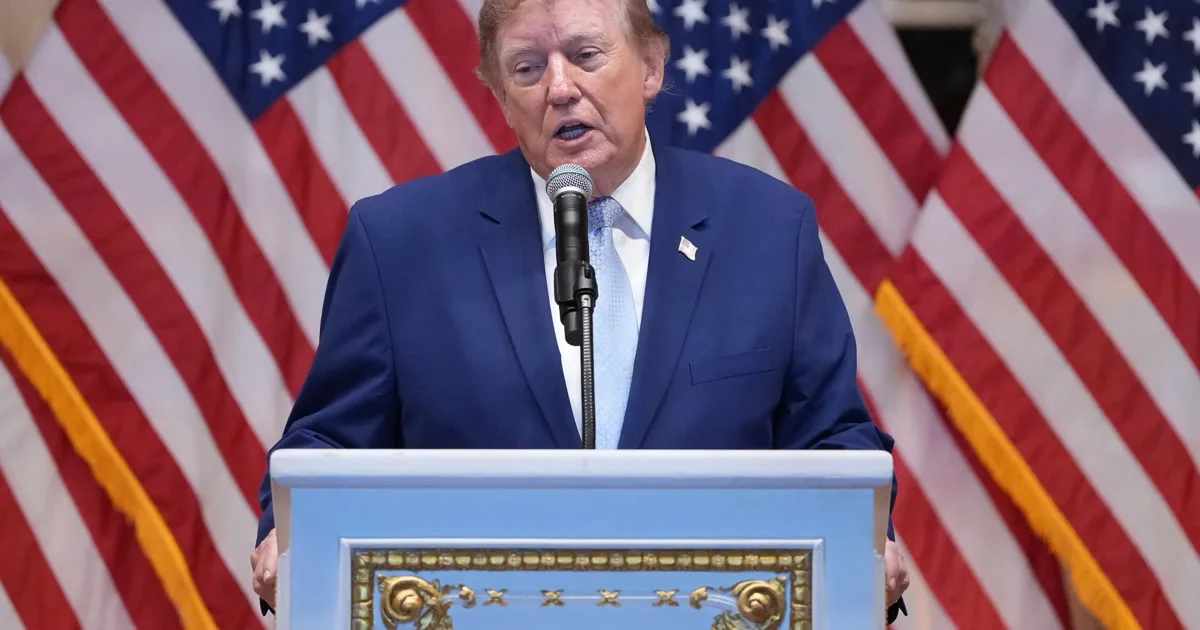
Image: Donald Trump speaks at a dinner in Palm Beach, Florida, on 16 October 2026. AP Photo/Mark Schiefelbein.