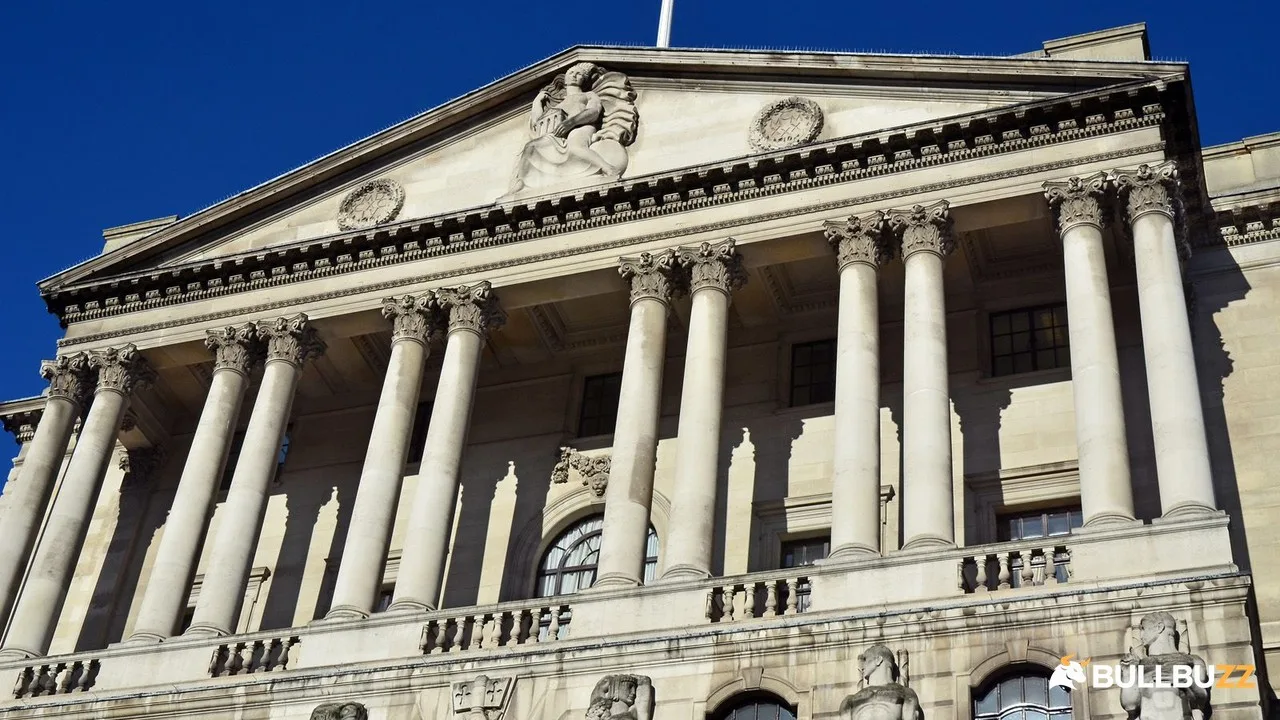
British inflation rose to 3.6% in October, its highest level in a year, as higher fuel prices pushed up the cost of living and kept the Bank of England under pressure to raise interest rates again.
The Office for National Statistics said consumer prices rose 3.6% in the 12 months to October, up from 3.5% in September. On a monthly basis, prices rose 0.5%. The reading, released at 3pm MYT on Wednesday, matched the median forecast in a Reuters poll of economists and marked the fourth consecutive monthly increase in the annual rate.
The broader CPIH measure, which includes owner-occupiers' housing costs, rose 3.7% over the year, up from 3.6% in September. Transport, particularly motor fuels, made the largest upward contribution to the monthly change, while the timing of a tobacco duty increase, which took effect on 1 October this year rather than late November in 2025, also pushed the annual rate higher.
The average price of petrol rose by 5.2 pence per litre between September and October, according to the figures, while the goods annual rate climbed from 3.2% to 3.5%.
UK inflation: fuel prices do the damage as core pressures hold
Beneath the headline, underlying price pressures were steadier. Core inflation, which strips out volatile energy, food, alcohol and tobacco prices, held at 2.8%, while services inflation, watched closely by policymakers as a gauge of domestic price trends, was unchanged at 3.7%, below the 3.8% rise economists polled by Reuters had expected.
ONS chief economist Grant Fitzner said: "Inflation rose slightly in October, with fuel prices once again a major contributor to the increase in the annual rate."
Britain is highly exposed to the cost of imported natural gas for heating and electricity, and regulation that delays the impact of price rises on household bills means British inflation tends to be later to rise and fall than elsewhere. That lag is now working against households: Bank of England Governor Andrew Bailey said a drop in international energy prices at the start of the month had come too late to stop a roughly 20% rise in regulated household energy bills due to take effect in January.
So far there have been few signs of the Bank's biggest fear, so-called second-round effects, in which wages and non-energy prices rise as workers and businesses try to offset losses caused by higher energy prices. But when they voted to raise rates, Bank officials judged that was probably just a matter of time, given how long oil prices have spent at or above $100 a barrel.
Bank of England faces a December hike decision
The figures land just days after the Bank of England raised interest rates to 4%, its first increase in more than three years. The Bank had already forecast October inflation of 3.7% and sees it reaching nearly 5% in the second quarter of 2027, driven by higher energy prices caused by the war between the United States and Iran.
Financial markets now see a 90% chance that the Bank will raise rates again in December and are pricing in two or three more increases during 2027, a prospect the Bank's chief economist, Huw Pill, described last week as "not outrageous". Sterling fell slightly after the data.
The Bank was the slowest major advanced central bank to raise interest rates in response to the Iran war, having initially judged that cancelling previous plans to cut rates this year would be enough to keep inflation in check. October's figures suggest that judgement is now being tested, with inflation moving further away from the Bank's 2% target rather than towards it.
What it means for the pound and households
For the pound, the data cuts both ways. Higher inflation strengthens the case for further rate rises, which would normally support sterling, but the currency slipped after the release as traders focused on the steady core and services readings, which suggest the Bank may not need to move as aggressively as the headline implies.
For households, the immediate pressure is at the pump and on energy bills. Fuel costs are already rising again, and the roughly 20% increase in regulated energy bills due in January will land on top of an inflation rate that has now risen for four months in a row.
The pressure is not confined to Britain. US wholesale inflation hit 6.5%, its highest since 2022, while inflation expectations in New Zealand jumped to 2.92% and minutes from Australia's central bank showed six of nine board members backing a fifth rate hike as inflation risks stay high.
What to watch next
Governor Bailey speaks later on Wednesday, and markets will listen for any signal on whether the Bank is leaning towards another rise at its next decision on 17 December. November's inflation figures, due next month, will show whether October's fuel-driven rise was the start of a new leg higher or a temporary push, while the January energy bill increase remains the next big test for household budgets.
With inflation at a one-year high and the Bank forecasting close to 5% by the middle of next year, the question for traders is no longer whether rates rise again, but how many more increases it takes before price pressures finally turn.