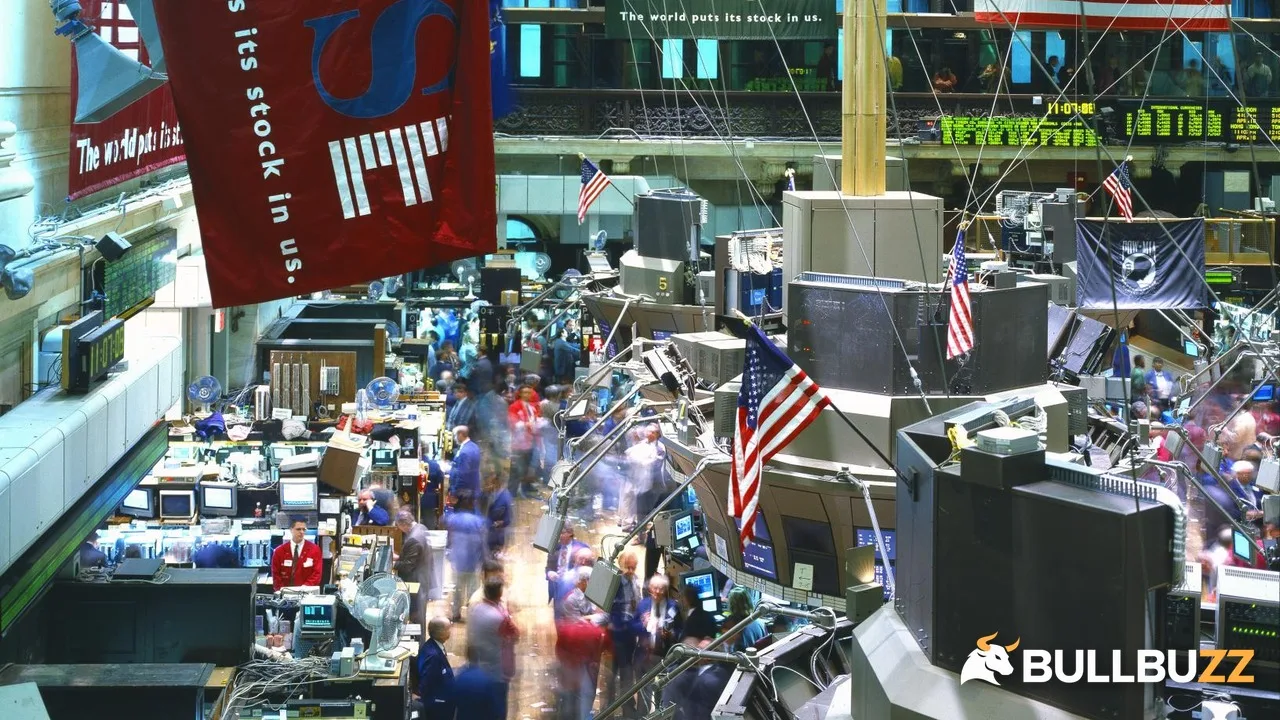
Wall Street split on Tuesday, 3 November 2026, as Americans voted in midterm elections, with a rebound in chip stocks lifting the Nasdaq and the S&P 500 while Apple dragged the Dow Jones Industrial Average into the red. The Nasdaq Composite rose 0.8% to 25,372.01 and the S&P 500 added 0.4% to 7,568.92, while the Dow finished 0.4% lower at 51,786.72, according to Sharecast and TradingView market-close reports.
The split session reversed the pattern of the day before. On Monday, the Dow had been the only major benchmark to finish higher, gaining 310 points, while the S&P 500 and the Nasdaq fell as technology shares sold off. By mid-morning on Election Day, the picture had flipped: the S&P 500, the Nasdaq and the Russell 2000 were all in positive territory while the Dow was in the red, Morningstar reported.
US stock market: chip stocks rebound as Nasdaq leads
Semiconductors did the heavy lifting on Tuesday. Nvidia rose 2.3%, Advanced Micro Devices gained 3.7%, Broadcom added 3.1%, Micron Technology climbed 2.5% and Intel rose 0.8%, as investors hunted for bargains after the recent sell-off in artificial intelligence names. The rebound helped the Nasdaq recover ground lost on Monday, when fears about AI spending had knocked technology shares lower across Asia and the United States, a sell-off covered in BullBuzz's report on Asian stocks.
But the chip rally did not erase the underlying nerves. AJ Bell's head of financial analysis, Danni Hewson, noted that Apple's warning about the cost of components kept concerns about AI spending alive, even as chip stocks bounced. JPMorgan also warned that a Democratic sweep of both chambers of Congress could trigger weakness in AI-related stocks, a reminder that politics, not just earnings, is now part of the technology trade.
Apple drags the Dow lower after margin warning
Apple was the main weight on the Dow, falling 1.9% after issuing a weaker-than-expected margin outlook and reporting disappointing quarterly iPad sales the previous evening. The drop mattered because of the Dow's price-weighted construction, where a single heavyweight's fall can pull the whole index lower even when most of its members hold up. It also came just days after Apple's fourth-quarter earnings beat, driven by a 17% jump in iPhone sales, showing how quickly sentiment can turn when guidance disappoints.
Elsewhere in earnings, Shopify fell despite reporting a 32% year-on-year increase in third-quarter revenue to $3.74 billion, as subscription gross profits and gross merchandise volumes underwhelmed. Pfizer lifted its full-year guidance after healthy demand for its blood thinners and cancer drugs helped offset falling sales of Covid-19 medicines, but the stock still finished lower on third-quarter revenue of $16.6 billion, largely unchanged from a year earlier. Yum Brands also fell after mixed results, with earnings above estimates but revenue short amid weakness at Taco Bell linked to a cyclospora outbreak tied to iceberg lettuce.
Hot JOLTS data pushes Treasury yields higher
On the macro front, the Bureau of Labor Statistics' JOLTS report showed US job openings little changed in September at 7.5 million, with the openings rate steady at 4.5%, while quits rose to 3.365 million. The figures came in slightly hotter than expected, and the 10-year Treasury yield rose about 5 basis points to 4.96%, pressuring rate-sensitive blue chips and adding to the Dow's drag.
US factory orders also rose for a third straight month in September, increasing 1.8% to $677.2 billion following a 0.3% gain in August, according to the Census Bureau. The combination of a still-tight labour market and rising factory orders reinforced the view that the Federal Reserve has little reason to rush into rate cuts, even as traders price a possible December move.
Midterms in focus as oil and gold slide
Politics hung over the whole session. Prediction markets pushed the odds of a Democratic sweep of Congress above 75% early on Tuesday, and Sharecast reported roughly a 75% implied chance of Democrats retaining control of the Senate. While Donald Trump remains in the White House, Democratic gains in either chamber could still have significant implications for congressional oversight and investigations, with potential ramifications for defence, AI and healthcare stocks.
Energy markets were also in focus. Front-month Brent crude fell 1.1% to $103.60 a barrel, extending a near-8% slump on Monday that followed hopes of diplomacy between the United States and Iran. US benchmark WTI crude held near $96 a barrel. Gold slipped about 0.9% to around $3,934 an ounce, giving back part of its rebound from a one-year low, as covered in BullBuzz's report on gold's recovery above $3,900.
What happens next depends on the results themselves. Traders will watch whether the outcome matches what prediction markets priced in, and whether the new Congress changes the outlook for spending, regulation and oversight. Beyond politics, the next big data point is Friday's US jobs report, which will help shape expectations for the Federal Reserve's December meeting. Until then, as one Seeking Alpha analyst put it, volatility across stocks, bonds, currencies and commodities is likely to stay elevated whatever the election delivers.