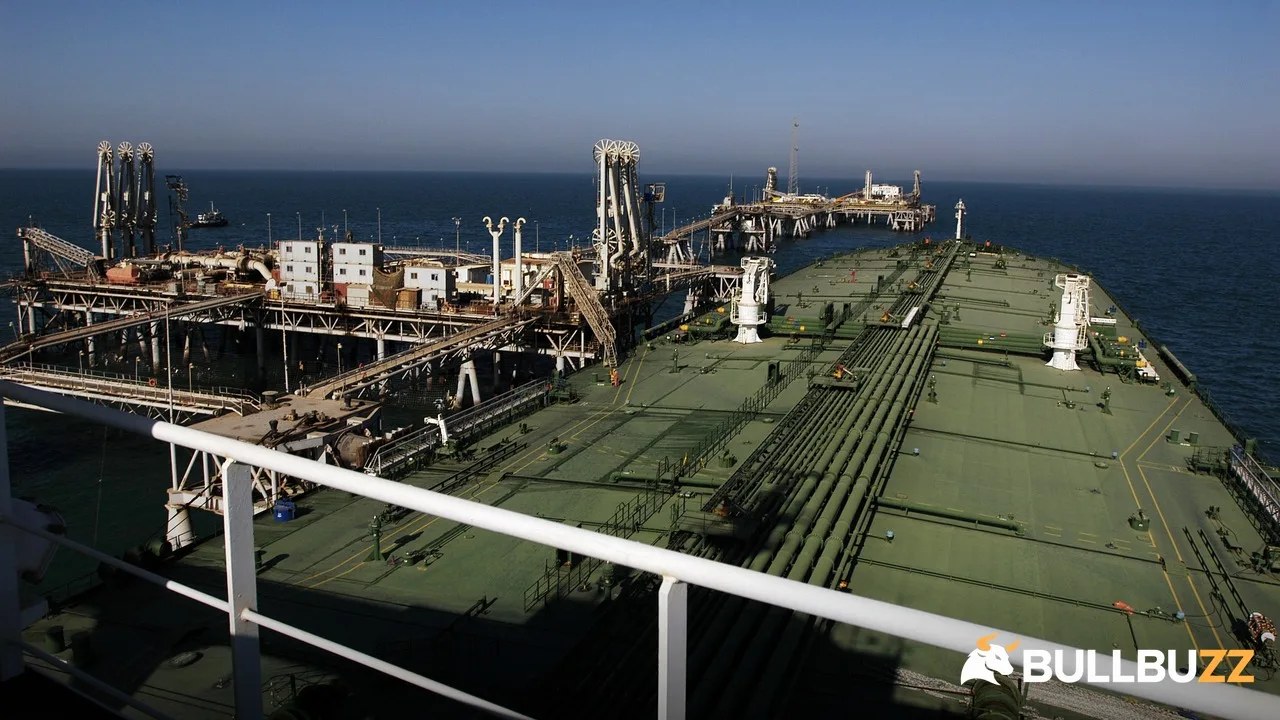
Two oil tankers struck naval mines, exploded and caught fire in the Strait of Hormuz in the early hours of Wednesday, Iran's Revolutionary Guards Navy said, in the latest attack on shipping through one of the world's most important oil waterways.
The Revolutionary Guards Navy said in a statement carried by Iranian state media that the two vessels were trying to transit what it called an unauthorised route through the strait when they hit mines on its southern and eastern coasts, setting off explosions and fires in their engine rooms. Reuters reported the statement on Wednesday, and Iran's Mehr News Agency reported that the tankers were attempting to pass covertly through what the Guards called a "fake route" in the strait.
The tankers were not identified, no information was given about their crews, and the circumstances reported by Tehran could not be independently confirmed. The Guards' traffic control centre warned crews sailing with navigation and positioning systems switched off to be careful.
Oil prices jumped on Tuesday before easing on Wednesday. Brent crude settled at $91.40 a barrel on Tuesday, up $2.03 or 2.3%, while US West Texas Intermediate settled at $82.05, up $1.88 or 2.4%. By midday MYT on Wednesday, Brent had slipped back to about $90.13, down 1.4%, and WTI to about $80.72, down 1.6%, as traders weighed the shipping attacks against signs of rising supply.
Strait of Hormuz: What Happened on Wednesday
Iranian Army spokesperson Mohammad Akraminia said separately on Wednesday that the military had deployed new systems and upgraded existing ones to strengthen surveillance and control of the strait, warning that vessels passing through without coordinating with Iranian forces had faced greater risks and struck mines in recent weeks.
The strait is the narrow channel between Iran and Oman through which Gulf oil reaches the open sea, and any sustained disruption there feeds straight into crude prices and shipping costs.
Tehran has told Washington it will not restore normal shipping through the strait until its demands are met, including the lifting of a US naval blockade of Iranian ports and an end to the war on all fronts. Under a proposal conveyed through Qatari mediators, Tehran offered to reopen the waterway within 48 hours of Washington meeting its conditions.
Oil Price: Brent Eases After Tuesday's 2.3% Jump
The market's pullback on Wednesday shows how the two forces in oil are cancelling each other out. CNBC-TV18 reported that Brent slipped below $91 in early Asian trading as traders balanced growing supply against the run of attacks on ships near the strait. The International Energy Agency expects the oil market to move into surplus this quarter, and the industry body American Petroleum Institute reported US crude inventories rose by 100,000 barrels in the week to 20 November.
"Oil prices moved lower this morning despite further attacks around the Strait of Hormuz, with recovering Gulf exports and a sharp loosening in the Dubai crude curve signalling a more comfortable supply picture," analysts at ANZ said. Goldman Sachs has raised its December Brent forecast to $105 a barrel from $90 previously.
Traders are also watching US GDP and PCE data due at 9:30pm MYT on Wednesday, and the OPEC+ meeting on 29 November that will decide output policy for 2027.
A Week of Attacks on Ships Near the Strait
Wednesday's explosions are the latest in a run of incidents around the waterway. On Monday, the United Kingdom Maritime Trade Operations centre said three vessels were hit by unidentified projectiles while sailing east through the strait; the tankers continued their transit and all crew were accounted for. On Tuesday, Iran's Fars news agency said a fourth tanker had hit a mine, and Iran's regular navy reported that two oil tankers had been immobilised by fires east of the strait.
The Guards separately said on Tuesday that they had struck a container ship south of the waterway, accusing its crew of ignoring instructions and switching off its navigation systems, and Iran claimed to have shot down two American drones near the strait.
The pattern is not new. BullBuzz reported last week that two tankers hit naval mines in the strait as Houthi strikes hit Riyadh, and oil had slid days earlier as rising US crude stocks and surplus fears took hold. Wednesday's incident shows the shipping risk has not gone away, even if the price response is now more muted.
Tehran's Demands and the Standoff With Washington
In Washington, the Trump administration is debating possible strikes against senior Iranian officials, NBC News reported, although no decision has been made. Donald Trump told the New York Post on Tuesday that operations were funded until around the end of January 2027 and that his objective remained preventing Iran from acquiring nuclear weapons.
Qatar continues to mediate: its prime minister met US Vice President JD Vance on Tuesday, and Doha says it supports an agreement guaranteeing freedom of navigation. Iran's president says talks with the United States are continuing, while its parliamentary speaker has ruled out negotiations before Tehran's seven conditions are met, including lifting the naval blockade and unfreezing Iranian assets.
The wider war also continues: Iran attacked bases in Bahrain earlier this month and claimed two US Patriot radars were hit. For oil traders, the question is whether Wednesday's explosions stay isolated or mark a further tightening of Iran's grip on the strait, and whether Washington answers with the strikes it is debating.